

Close Menu
    Facebook X (Twitter) Instagram
    Trending
    • Hauser’s Marks 45 Years With Province-Wide Customer Celebration and Renewed Focus on Community Care
    • Young drivers face elevated collision risks after consuming edible cannabis, new CAA-funded study finds
    • Salvation Army Thrift Store Marks 40th Ontario Location with Peterborough Opening
    • Early Blast of Winter Prompts Safety Warnings from Ontario Road Authorities
    • HONOR Takes Home Two TIME Best Inventions 2025 Awards for Smartphone Breakthroughs
    • Toronto Set to Host Largest LEGO® Fan Event in Canadian History
    • Hank Azaria and Caitlin Morrison Champion Mental Health Through Music at Toronto’s Koerner Hall
    • Bricks in the Six to Build Canada’s Largest-Ever LEGO® Fan Event This November
    Facebook X (Twitter) Instagram YouTube
    Vaughan TodayVaughan Today
    • Home
    • Top News
    • World
    • Banking
    • Explore Canada
    • How to
    • Solutions
    • Contact Form
    Vaughan TodayVaughan Today
    Home»World»A violent storm caused extreme temperatures of -111 ° C in its wake
    World

    A violent storm caused extreme temperatures of -111 ° C in its wake

    Cole HansonBy Cole HansonApril 4, 2021No Comments2 Mins Read
    A violent storm caused extreme temperatures of -111 ° C in its wake
    Share
    Facebook Twitter LinkedIn Pinterest Email

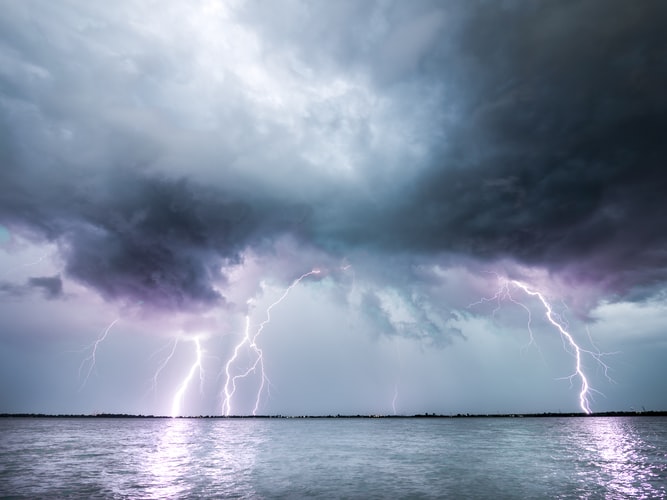
    Saturday, April 3, 2021 at 4:42 pm – An intense thunderstorm, seen off the Australian coast in 2018, looks unlike any other thunderstorm. This storm, detected by satellites in 2018, caused extremely cold temperatures in its wake.


    While high temperatures and high ambient humidity are often synonymous with thunderstorms in our imaginations, this is not always the case. Indeed, a recent study conducted by the American Geophysical Union investigated this storm that occurred in December 2018. Its peculiarity is that the temperature detected in the heart of the clouds reached -111 degrees Celsius, and at the same time all the existing cold records were destroyed even then.

    So it became the coldest temperature that a satellite had ever detected. Additionally, when the NOAA-20 satellite passed over it, the storm had not yet reached its maximum strength. If the vehicle had passed after a few minutes, colder mercury would have been recorded.

    The storm itself was not the only factor to take into account: all the weather conditions of that day were behind this unnatural cold.

    Behind every storm hides a column of air rising higher and higher in the atmosphere. During particularly violent events, such as the 2018 storm, some energy-laden clouds can reach the stratosphere (the upper layer of the atmosphere). Presumably, that’s what was going to happen in the 2018 episode.

    These extremes seem to be becoming more common. The increase in ocean surface temperature effectively paves the way for thunderstorm conditions, as well as changes in the upper layers of the atmosphere.


    See also: simultaneous volcanic eruption on two continents

    Share. Facebook Twitter Pinterest LinkedIn WhatsApp Reddit Tumblr Email
    Cole Hanson

    "Extreme twitteraholic. Passionate travel nerd. Hardcore zombie trailblazer. Web fanatic. Evil bacon geek."

    Related Posts

    Early Blast of Winter Prompts Safety Warnings from Ontario Road Authorities

    November 20, 2025

    Toronto Set to Host Largest LEGO® Fan Event in Canadian History

    November 8, 2025

    Soundtrack: A Celebration of Memory, Music, and Meaning Comes to Penticton’s Tempest Theatre

    October 28, 2025
    Facebook X (Twitter) Instagram Pinterest
    © 2025 ThemeSphere. Designed by ThemeSphere.

    Type above and press Enter to search. Press Esc to cancel.