


Last Monday, on National Aboriginal Day, Bill C-15 became law in the country. This law requires the Government of Canada to ensure that federal legislation, policies, and practices comply with the principles and foundations of the United Nations Declaration on the Rights of Indigenous Peoples.


The Declaration was adopted by the United Nations General Assembly in 2007, as a direct result of the commitment and perseverance of indigenous rights advocates in Canada and around the world. It calls on UN member states to respect, recognize and protect the rights of indigenous peoples and to correct the mistakes of the past. Simply put, the Declaration affirms the political, social, economic and sovereign rights of indigenous peoples around the world.
As a politician, lawyer, and educator in Canada for many years, I have been directly involved in many discussions and negotiations to advance the interests of all indigenous peoples and governments in Canada. My job has given me the opportunity to see firsthand the challenges, failures, and successes of the past 50 years. What stands out above all is the courage, wisdom and leadership of the indigenous peoples. “Listen, learn and act” – these words will never leave me. The lessons Canada is currently learning on the path to truth and reconciliation should only reinforce our commitments to human rights and the rule of law, both at home and around the world.
Since Canada fully endorsed the Declaration in 2016, First Nations, Inuit, and Métis, as well as the Government of Canada, have been guided by the spirit of the Declaration. The passing of laws to promote and revitalize indigenous languages and protect lands and traditions is an example of Canada’s commitment to implementing the Declaration. Bill C-15, also known as A law that respects the United Nations Declaration on the Rights of Indigenous Peoples, makes it possible to strengthen and develop this cooperation, which must continue for future generations.
This law is an important step in our journey toward reconciliation. But this is only a step. And there is still urgent work to be done, particularly to undo centuries of nefarious colonial policies and practices.
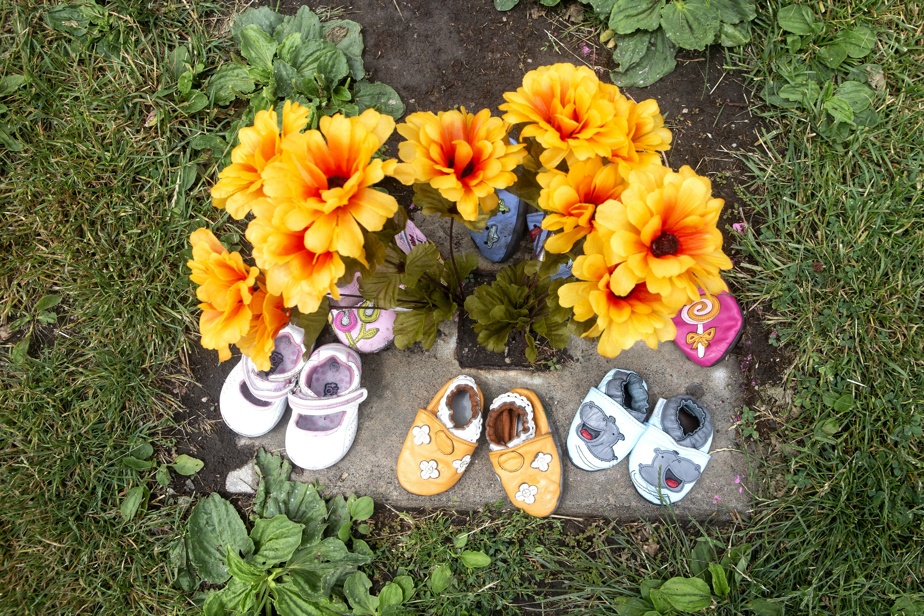
The shocking discovery of the unidentified graves of children at the former Kamloops Residential School, and the fact that more graves will be discovered, is yet another reminder of this harsh reality. Racism and systemic discrimination suffered by First Nations, Inuit, and Colored peoples persist today and must be tackled head-on.
Bill C-15 requires regular public reporting on progress and accountability measures developed in collaboration with indigenous peoples. Most importantly, the implementation of the Declaration is in line with the findings of the Truth and Reconciliation Commission and calls for justice in the National Inquiry into Missing and Killed Indigenous Women and Girls.
Royal assent to this law sends an important signal to all Canadians, as well as to the international community, that we are committed to correcting historical grievances and current wrongs, upholding the rights of indigenous peoples, and building a better and more equitable future for all. .
The world rightly expects Canada to uphold the international human rights standards affirmed in the Declaration and in all treaties, legislation and laws to which we are party. Don’t expect less from ourselves.
