


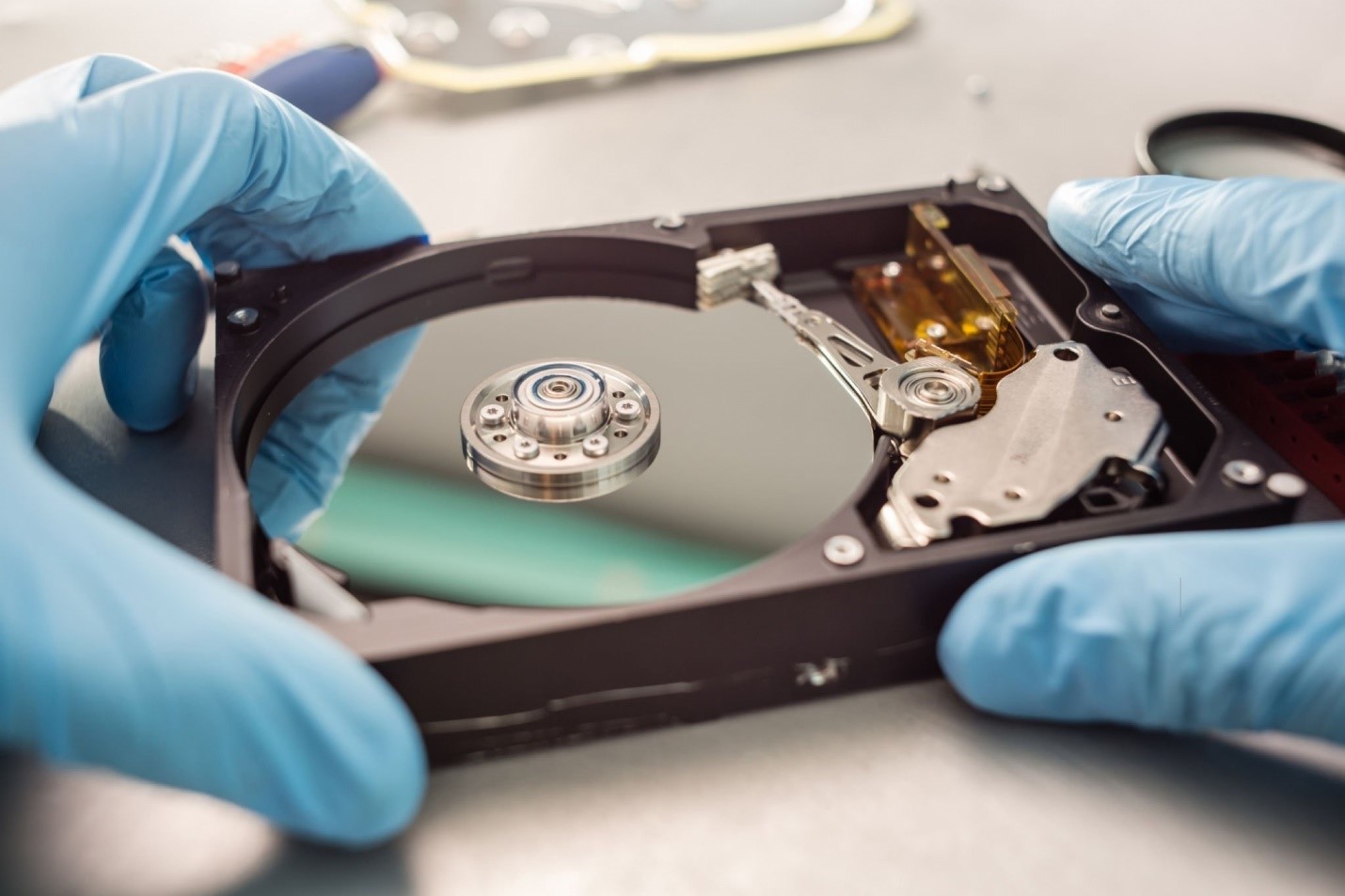
Physical damage to storage devices strikes fear into the hearts of people everywhere. The good news is data recovery is often possible even after severe damage. The bad news is there are no guarantees, and it can get pricey.
You’re probably curious how much abuse a drive can take before your data is unrecoverable. The truth is, it depends on the type of damage and how quickly you act. Dropping, liquid spills, fire or flood damage, or just plain old component failure can all potentially be overcome by data recovery experts with the right tools and skills. But at some point, the physical destruction is too great, and your data is reduced to a jumble of 1’s and 0’s that even the most advanced labs can’t put back together.
Assessing the Extent of Physical Damage to Storage Devices
Assessing physical damage to storage devices is critical to determining if data recovery is possible.
-
Minor Damage
Minor dents, scratches or drops usually don’t impact the drive’s components or data stored on the platters. In these cases, the data is typically recoverable using software tools. If the drive isn’t recognized or is making odd sounds, the problem could just be corrupt software or firmware, not physical damage. Recovering data is often straightforward.
-
Moderate Damage
Moderate damage like impacts, liquid spills or overheating can sometimes be overcome. Much depends on whether the drive’s internal components – platters, read/write heads, PCB – remain intact and functioning.
A data recovery pro can open the drive in a dust-free environment to repair or replace damaged components and rescue the data. Success rates vary significantly based on the type of damage. If the platters are undamaged but the read/write heads are faulty, the heads can sometimes be repaired or replaced to access the data.
-
Severe Damage
With severe damage from fires, floods or major drops, internal components are typically unsalvageable, though exotic recovery techniques may be tried as a last resort. When platters become fused together or shattered, data recovery is nearly impossible. The density of data on modern drives makes piecing platters back together unfeasible.
The severity of physical trauma to a storage device determines if data can be recovered affordably, if at all. But if the data is valuable enough, every effort should be made by data recovery specialists before conceding defeat. With persistence, even the most seemingly hopeless cases can sometimes have a happy ending.
Data Recovery Methods for Physically Damaged Drives in Canada
Data recovery from physically damaged hardware can be challenging, but there’s still hope. Depending on the type of damage, your data may still be salvageable using specialized methods.
If your drive has logical errors resulting from corruption or accidental deletion, data recovery software can often scan the drive and restore files. The best suggestion in such a case is to hire professionals for data recovery in Canada.
Data recovery labs in Canada, like those elsewhere, are equipped with cutting-edge tools and experienced technicians who can work in a clean room environment. They assess and repair issues that may include:
- Scratched or Dented Platters: Platters, the delicate disks inside hard drives, can sometimes be re-polished, and data can be painstakingly re-written to a donor drive.
- Motor or PCB Failures: In cases of electronic component failures or motor issues, these failed components can be replaced to get the drive spinning again.
- Degraded Read/Write Heads: When read/write heads become degraded, technicians may transplant functioning heads from a donor drive to enable the recovery of data.
It’s important to note that sometimes there are no guarantees in data recovery, and the extent of damage to the drive will significantly impact the odds of successful recovery and the associated costs. However, when your data is of utmost importance, investing in professional data recovery services in Canada can be well worth it.
While self-service software has its place, for mission-critical data loss resulting from physical damage, trusting a data recovery professional such as SalvageData is your best course of action. They possess the necessary expertise, experience, and specialized tools to safely handle sensitive repairs and maximize your chances of recovering your data intact. Even badly damaged drives have a fighting chance with the right expertise and techniques employed by Canadian data recovery experts.
Final Thoughts
Data recovery technology has come a long way and specialized companies have tools and techniques to work virtual miracles. If your data is valuable enough, it may be worth paying a premium to work with pros who have a proven track record recovering data from even badly damaged drives. At the end of the day, the most important thing is not the condition of your hardware but the safety of your irreplaceable files and memories. With the right approach, even a disaster may not be the end of the world.
