



Toronto-Dominion Bank (TD) and Royal Bank of Canada (RBC) are two of the largest and most prominent banks in Canada, both with significant market capitalization and international presence. Investors seeking exposure to the Canadian financial sector often consider these two banking giants for their portfolios. This article provides a detailed analysis and comparison of TD Bank and Royal Bank of Canada stocks to help investors make informed decisions.
Company Overview
-
Toronto-Dominion Bank (TD)

Toronto-Dominion Bank, commonly known as TD Bank, is the second-largest bank in Canada by market capitalization. Founded in 1855, TD Bank has grown to serve over 25 million customers worldwide, with a strong presence in both Canada and the United States. The bank offers a range of financial services, including retail banking, wealth management, insurance, and wholesale banking.
- Royal Bank of Canada (RBC)
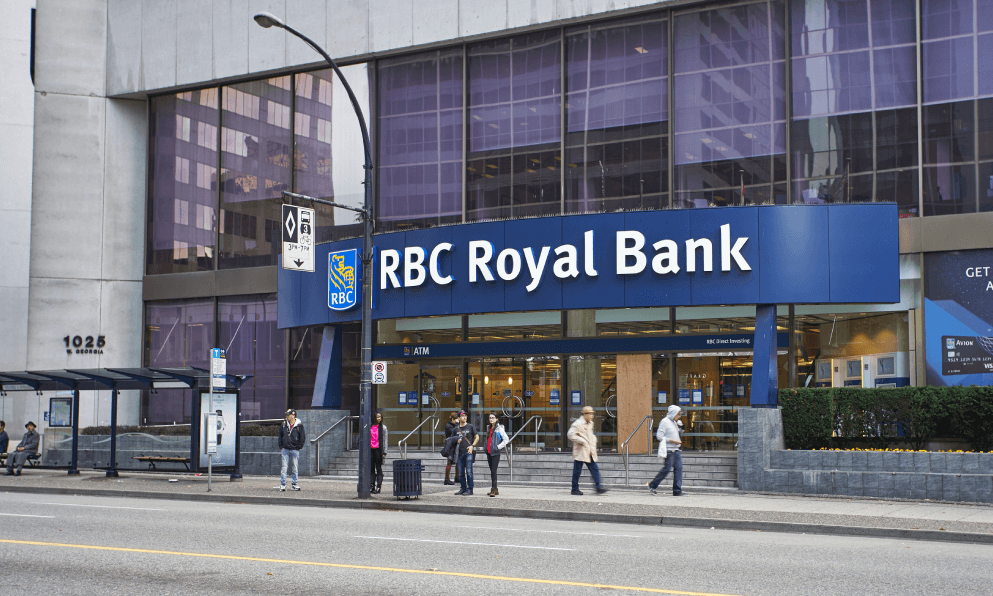
Established in 1864, Royal Bank of Canada is the largest bank in Canada by market capitalization. RBC operates globally, serving over 17 million clients in 36 countries. The bank provides a comprehensive suite of financial services, such as personal and commercial banking, wealth management, insurance, investor services, and capital markets.
Financial Performance
To compare TD Bank and RBC stocks, it’s essential to analyze their financial performance, which includes factors like revenue growth, profitability, and dividend yields.
- Revenue Growth
Both TD Bank and RBC have demonstrated consistent revenue growth over the years. While RBC has historically reported higher revenues, TD Bank has displayed a faster growth rate in recent years. Investors should evaluate each bank’s growth strategies and market presence when considering potential revenue growth.
- Profitability
When analyzing profitability, metrics like return on equity (ROE) and net interest margin (NIM) are crucial. Both TD Bank and RBC have maintained strong ROE figures, indicating efficient use of shareholders’ equity. However, TD Bank has generally reported higher NIM, suggesting better performance in generating income from interest-earning assets.
- Dividend Yields
Dividend yield is a critical factor for income-focused investors. Both TD Bank and RBC have a history of consistent dividend payments, with yields typically exceeding the average for Canadian banks. While RBC has historically paid slightly higher dividends, TD Bank has increased its dividends at a faster pace in recent years.
Risk Factors
Investing in any stock comes with inherent risks. For TD Bank and RBC, some risk factors include:
- Economic Conditions
As major financial institutions, both TD Bank and RBC are sensitive to economic conditions, interest rate fluctuations, and regulatory changes. Investors should consider the potential impact of these factors on the banks’ performance.
- Geographical Exposure
TD Bank has significant exposure to the United States, while RBC has a more diversified global presence. Investors should evaluate each bank’s geographical exposure to assess potential risks and opportunities.
- Loan Portfolio Quality
Credit quality is crucial for banks, as it impacts profitability and financial stability. Both TD Bank and RBC have maintained strong credit quality, with low non-performing loan ratios. However, investors should monitor the banks’ loan portfolios and underwriting standards to assess potential risks.
Conclusion
Both TD Bank and Royal Bank of Canada are major players in the Canadian financial sector, offering investors a chance to benefit from their strong financial performance, dividend yields, and growth potential. However, each bank has its strengths and weaknesses, and investors should carefully analyze factors such as revenue growth, profitability, dividend yields, and risk factors before making an investment decision. Ultimately, the choice between TD Bank and RBC stocks will depend on individual investment objectives, risk tolerance, and portfolio
