

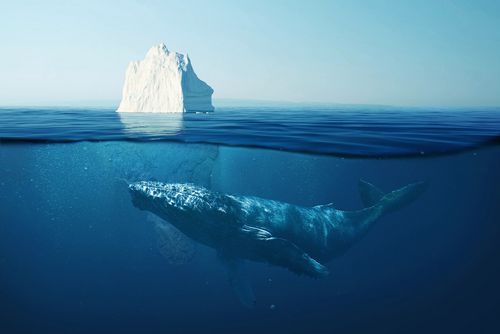
Between the warning signs of the Intergovernmental Panel on Climate Change (IPCC), the throngs of citizens calling for concrete and concerted action and the headlines reminding the urgent need for action, how do past sermons and current climate issues resonate with the general public?
This question will be addressed in a Free video conference to be held on April 19th at 6pm. On the occasion of the fiftieth anniversaryAnd Anniversary of the founding of the Faculty of Arts and Sciences at the University of Montreal.
The meeting, hosted by journalist Chantal Srivastava, on the topic of ‘Climate and Communication’, will allow the audience to participate in the discussions and ask questions of invited experts, including Yannick Filidio, journalist specializing in science and medicine, and André-Jan Barent, executive director of the Climate Reality Project in Canada.
University of Montreal professors Sarah Teitelbaum and Sebastien Sauvy, respectively from the Department of Sociology and the Department of Chemistry, will be among the speakers. It gives us a glimpse into the discussions by addressing some of the central topics.
Climate Emergencies, Environmental Concern, Technological Concern and Optimism

In the 1960s and 1970s, signs of ocean pollution were visible and tangible. For example, many lakes and rivers were closed to swimming and it was not uncommon to see suffocated dead fish floating there.
Since then, various measures have been taken upstream to mitigate some of the problems arising from pollution. But the issue today is global.
“The challenges related to the environment and climate change are very different and may seem far from us,” says Sebastien Sauvier. But has the discourse surrounding these issues changed and, above all, how it encourages us to take more realistic action?
“The IPCC and many other organizations have long been telling us that climate change is humanity’s greatest challenge,” adds Sarah Teitelbaum. But actions and solutions are slow to implement until we note both the collective loss and the disastrous discourse that is causing environmental concern among many…”
“The warning can be counterproductive, because people may end up dropping out of school,” says Sebastien Sauvier. It is a mistake to think that if nothing is done in three years, it will be the end of the world … But the situation will require efforts that we will have no choice to do and higher costs to bear.”
For Sarah Teitelbaum, the technological discourse advocated by the capitalist model maintains an exaggerated hope.
“Technological optimism looms large in the public space, such as the promise of carbon capture technologies as well as electric vehicles and other vehicles that give the impression that everything will be resolved by technical means,” she said with regret. More radical solutions, which involve a more significant reorganization of society, are much less straightforward.
Other sciences of evolution
Yes, science has made giant strides in understanding the causes of climate change, “but the knowledge of how people can be persuaded to change their habits – and how to induce governments to act – has not developed, as Sebastien Sophie points out. We must go further to advance the social sciences in order to embark on A profound change that would allow us to move from wishful thinking to action.”
Checklist
when? “Climate and Communication” Conference on the Evolution of Climate Discourse
when? Tuesday, April 19 at 6 p.m.
where? via videoconferencingClick here to register)
How much and for whom? Free for all!

Sophie Laurent is a contributor to Vaughantoday.ca, covering a wide range of topics including local news, politics, business, technology, sports, entertainment, and lifestyle. She focuses on delivering clear, balanced reporting that helps readers stay informed about current events and issues that matter to their communities. Sophie is committed to presenting accurate information, practical insights, and relevant stories in a straightforward and reader-friendly manner, making complex topics accessible to a broad audience.