

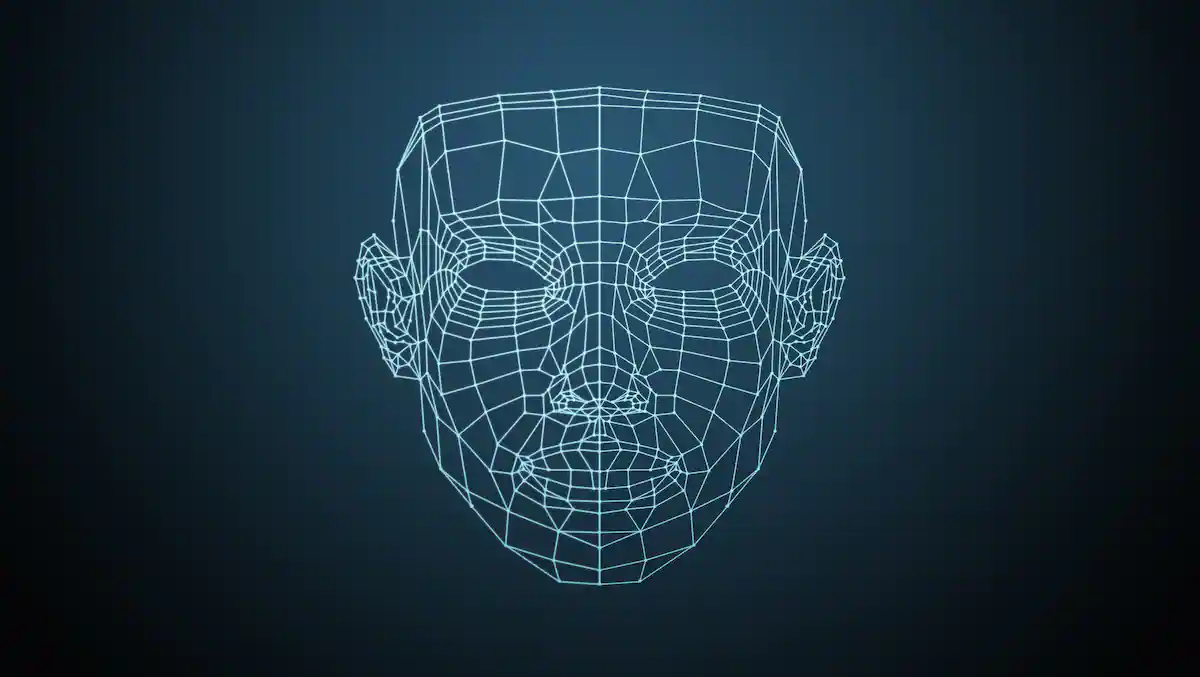
Scientists have created a “digital mask” that allows images of the face to be stored in medical records while preventing personal vital information from being extracted.
In a research paper published Thursday in Nature Medicine, a team led by scientists from the University of Cambridge and Sun Yat-sen University, China, revealed that they use 3D reconstruction algorithms to erase identifiable facial images while preserving relevant features. necessary for diagnosis.
Pictures of the face can be useful in identifying signs of disease, but also other vital information about the patient, including race, gender, age, or mood.
With the increasing digitization of medical records, comes the risk of data breaches and it is difficult to anonymize facial data while retaining important information. Common methods, including blurring and cropping identifiable areas, can lose important disease information, but cannot completely escape facial recognition systems.
For privacy reasons, people are often reluctant to share their medical data for public medical research or electronic health records, which hinders the development of digital medical care.
Compared to the traditional method used to ‘anonymize’ patients, i.e. cropping the image, the risk of being identified was significantly lower in digitally masked patients.
The researchers tested this by showing 12 masked or digitally cut ophthalmologists, and asking them to select the original image from five other images. They correctly identified the origin from the digitally masked image in just over a quarter (27%) of cases; As for the cropped photos, they were able to do so in the vast majority of cases (91%).
The team interviewed randomly selected patients in clinics to gauge their attitude toward digital masks. More than 80% of patients believe that a digital mask will alleviate their privacy concerns and they will be more likely to share their personal information if such a measure is implemented.
The research team also confirmed that digital masks can avoid artificial intelligence-based facial recognition algorithms.

Evan McKenzie is a contributor at Vaughantoday.ca, covering a wide range of topics including local news, politics, business, technology, sports, entertainment, and lifestyle. He focuses on clear, balanced reporting that helps readers stay informed about current events and issues that matter to their communities. His work aims to provide useful information, timely updates, and relevant stories presented in an accessible and reader-friendly way.