


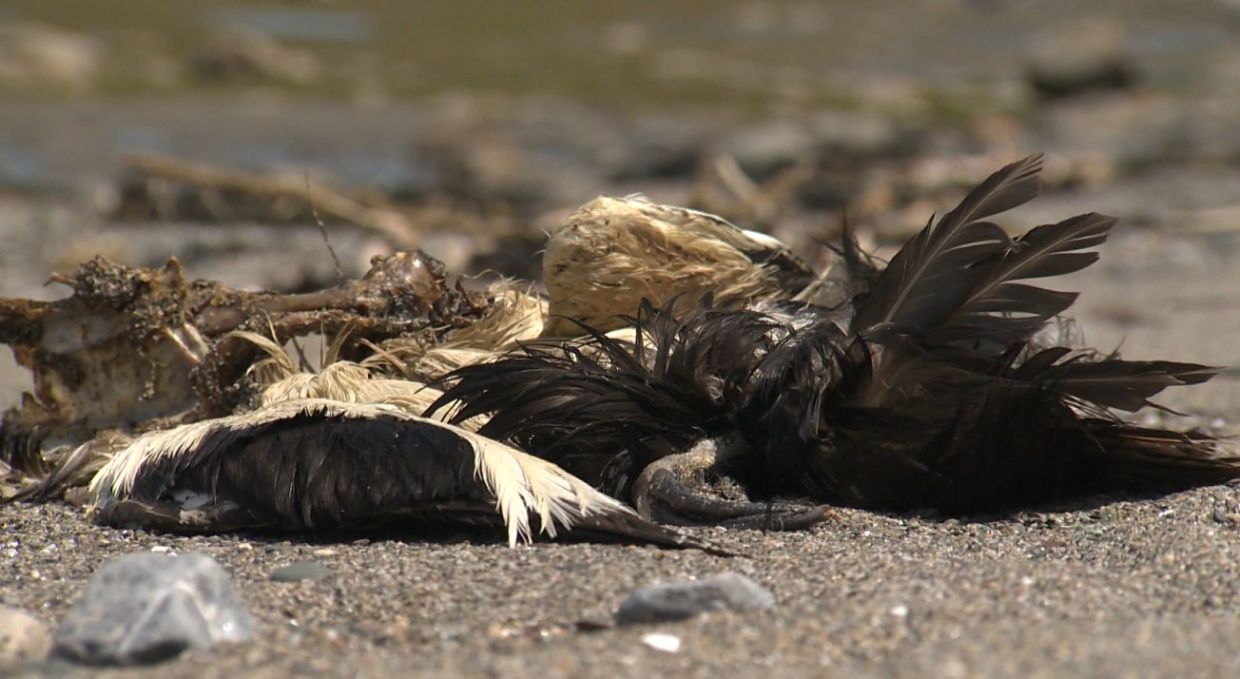
It is still difficult to speculate whether the worst is overdue now with this virus. A total of 870 carcasses of common eiders and nearly 200 seagulls have been found so far.
“Transmission between birds is very possible. Gulls are known to be scavengers, so they eat the carcasses of other birds. We know that animals such as Urubus and even vultures have been found in southern Quebec with the virus,” explains Jean-François Giroud, an official at Duvetnor and a professor of science Biology at the University of Quebec in Montreal (UQAM).
According to the biologist, in the coming weeks, as the birds leave the islands to feed, the risks of spreading should drop dramatically. However, it is not impossible for this disease to be transmitted to other islands and to the mainland. It should be noted that tests were carried out on 10 carcasses from the town of El Blanche, and all of them proved to be infected with bird flu.
“For other animal species, transmission is very limited because they are aquatic animals that live in colonies at which point the virus can spread,” adds Mr. Giroux.
This virus is not the first to wipe out populations of eiders, as in 2002 these animals were struggling with the bacterium cholera of birds. Human intervention is also limited under these conditions.
“The number of birds in a community varies a lot with different epidemics. Aiders are not endangered because they are well protected, but control of epidemics is very long term and leads to a certain population decline. These birds are also very sensitive to viruses. They have a very strong history,” says the biologist. In this area”.
“We can think about who will have the individuals that will become more resistant, but in reality we cannot vaccinate birds like we did for COVID-19. It is a natural factor, we will have to try to understand more about how the virus gets into our wild populations,”
Quebec challenges the population
These many bodies will remain on the banks for a while, as no plan has been made to collect them, at the dawn of the summer season. Note that the authorities state that dead wild birds should not be handled. It is recommended to notify the Department of Wildlife when a dead body is discovered. In this regard, Quebec would like to inform the public of the safest way to dispose of a dead body.
“In general, the carcasses of wild birds can be put in a bag and thrown into the household garbage. Avoid touching the carcasses with your hands. The best way to do this is to wear gloves and use a padded plastic bag to pick up the carcass and then throw it in the trash. The person should then wash their hands with soap and water or Use a hydroalcoholic solution with a concentration of at least 60% alcohol,” says a press release published by the Department of Wildlife Health.
Additional information on the protocol for the safe disposal of dead wild bird carcass is available on the website Quebec.
Image source: Francis St-Pierre, UQAM
