

Close Menu
    Facebook X (Twitter) Instagram
    Trending
    • Hauser’s Marks 45 Years With Province-Wide Customer Celebration and Renewed Focus on Community Care
    • Young drivers face elevated collision risks after consuming edible cannabis, new CAA-funded study finds
    • Salvation Army Thrift Store Marks 40th Ontario Location with Peterborough Opening
    • Early Blast of Winter Prompts Safety Warnings from Ontario Road Authorities
    • HONOR Takes Home Two TIME Best Inventions 2025 Awards for Smartphone Breakthroughs
    • Toronto Set to Host Largest LEGO® Fan Event in Canadian History
    • Hank Azaria and Caitlin Morrison Champion Mental Health Through Music at Toronto’s Koerner Hall
    • Bricks in the Six to Build Canada’s Largest-Ever LEGO® Fan Event This November
    Facebook X (Twitter) Instagram YouTube
    Vaughan TodayVaughan Today
    • Home
    • Top News
    • World
    • Banking
    • Explore Canada
    • How to
    • Solutions
    • Contact Form
    Vaughan TodayVaughan Today
    Home»science»Coastal sea floor mapping
    science

    Coastal sea floor mapping

    Maria GillBy Maria GillFebruary 24, 2021No Comments2 Mins Read
    Coastal sea floor mapping
    Share
    Facebook Twitter LinkedIn Pinterest Email

    Seats of 5 meters or less make up the “white tape” – the bar around coastlines on nautical charts – that is a no-go zone for ships and their sonar equipment. In general, the mapping of these bottoms relies on acoustic methods, in order to determine the nature of sediments and the morphology of the bottoms.

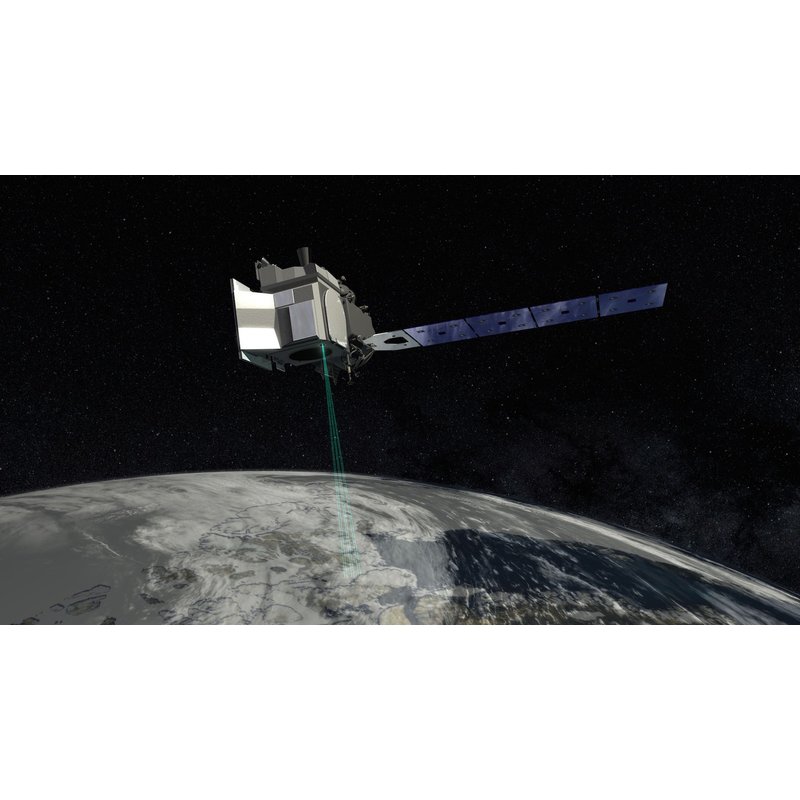
    ICESat-2 satellite (Satellite of ice, cloud and land rise) Behind IceSat-1, which was primarily intended to monitor melting polar ice and record sea level rise, which are key data on global warming. Version 2, launched in 2018, pursues the same goal but broadens its mission by adding mapping of the shallow sea floor.

    Altimeter called Atlas (Advanced laser topographic altimeter system), Has a green laser light that emits 10,000 pulses per second. This tool is able to penetrate coastal waters up to a depth of 40 meters, record slopes and other changes in the landscape.

    It takes direct measurements, along with analyzes using reflected sunlight. This new project aims to automate the production of so-called bathymetry – sea floor topography – with a special focus on coral reefs. The researchers hope to monitor the evolution of the health status of these corals, which are under pressure from warming.

    The satellite orbits in its polar orbit for nearly 600 days, and has expanded its scientific view: it can also monitor the height of the surface of lakes, as it happened recently Tested In 30 lakes and reservoirs in China. It can also 3D map a file Burnt areas To update the area changes. Also here, two new data useful for documenting climate change.

    Share. Facebook Twitter Pinterest LinkedIn WhatsApp Reddit Tumblr Email
    Maria Gill

    "Subtly charming problem solver. Extreme tv enthusiast. Web scholar. Evil beer expert. Music nerd. Food junkie."

    Related Posts

    Rare Earth Metals: Essential Uses and the Global Supply Chain

    October 4, 2025

    200 meteorites found on Earth could be linked to Martian craters, allowing new insight into Mars’ history

    August 28, 2024

    Antibiotics that reduce the risk of stomach cancer

    August 26, 2024
    Facebook X (Twitter) Instagram Pinterest
    © 2025 ThemeSphere. Designed by ThemeSphere.

    Type above and press Enter to search. Press Esc to cancel.