

Close Menu
    Facebook X (Twitter) Instagram
    Trending
    • Hauser’s Marks 45 Years With Province-Wide Customer Celebration and Renewed Focus on Community Care
    • Young drivers face elevated collision risks after consuming edible cannabis, new CAA-funded study finds
    • Salvation Army Thrift Store Marks 40th Ontario Location with Peterborough Opening
    • Early Blast of Winter Prompts Safety Warnings from Ontario Road Authorities
    • HONOR Takes Home Two TIME Best Inventions 2025 Awards for Smartphone Breakthroughs
    • Toronto Set to Host Largest LEGO® Fan Event in Canadian History
    • Hank Azaria and Caitlin Morrison Champion Mental Health Through Music at Toronto’s Koerner Hall
    • Bricks in the Six to Build Canada’s Largest-Ever LEGO® Fan Event This November
    Facebook X (Twitter) Instagram YouTube
    Vaughan TodayVaughan Today
    • Home
    • Top News
    • World
    • Banking
    • Explore Canada
    • How to
    • Solutions
    • Contact Form
    Vaughan TodayVaughan Today
    Home»science»COVID-19 | The World Health Organization is monitoring a new variant called ‘Mu’.
    science

    COVID-19 | The World Health Organization is monitoring a new variant called ‘Mu’.

    Maria GillBy Maria GillSeptember 1, 2021No Comments2 Mins Read
    COVID-19 |  The World Health Organization is monitoring a new variant called ‘Mu’.
    Share
    Facebook Twitter LinkedIn Pinterest Email

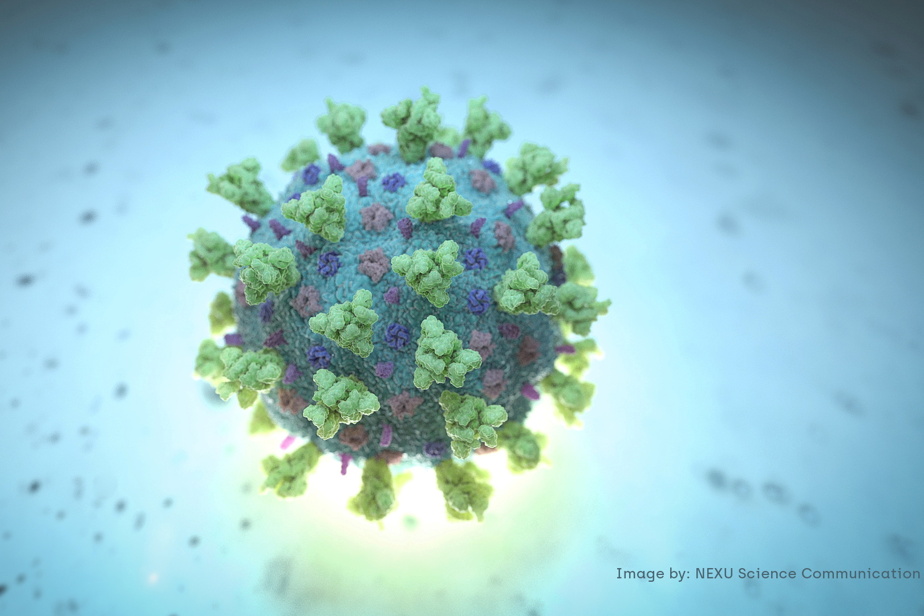
    (Geneva) The World Health Organization said Tuesday night it was monitoring a new type of coronavirus called “mu,” which was first identified in Colombia in January.


    Posted on Aug 31, 2021 at 6:33 PM


    to share

    In its weekly epidemiological bulletin on the evolution of the epidemic, the World Health Organization said that the variant – B.1621 according to the scientific nomenclature – has so far been classified as a “variable to follow”.

    The World Health Organization specifies that the variant has mutations that could indicate a risk of “immune escape” (vaccine resistance), and stresses that more studies are needed to better understand its properties.

    All viruses, including SARS-CoV-2 responsible for COVID-19, change over time. Most mutations have little or no effect on the characteristics of the virus.

    However, some mutations can affect the characteristics and influence of the virus, for example, how easily it spreads, the severity of the disease it causes, or the effectiveness of vaccines, medicines, diagnostic tools or other social and public health measures.

    The emergence of variables, at the end of 2020, increased risks to global public health, led the World Health Organization to characterize the variables to be monitored and the variables of importance, in order to prioritize surveillance and research activities at the global level.

    The World Health Organization decided to name the variants that should be followed or interest in using the letters of the Greek alphabet, in order to avoid any stigma for a particular country and to make it easier for the general public to pronounce the names.

    Currently, the World Health Organization considers four variables of concern, including alpha variables, present in 193 countries, and delta ones, present in 170 countries, while five other variables (including Mu) should be monitored.

    The Mu type was first discovered in Colombia in January. It has since been reported in other South American countries and Europe.

    “Although the global prevalence of the mu variant among the sequenced cases has decreased and is currently less than 0.1%, its prevalence in Colombia (39%) and Ecuador (13%) has increased steadily,” the WHO explained.

    Share. Facebook Twitter Pinterest LinkedIn WhatsApp Reddit Tumblr Email
    Maria Gill

    "Subtly charming problem solver. Extreme tv enthusiast. Web scholar. Evil beer expert. Music nerd. Food junkie."

    Related Posts

    Rare Earth Metals: Essential Uses and the Global Supply Chain

    October 4, 2025

    200 meteorites found on Earth could be linked to Martian craters, allowing new insight into Mars’ history

    August 28, 2024

    Antibiotics that reduce the risk of stomach cancer

    August 26, 2024
    Facebook X (Twitter) Instagram Pinterest
    © 2025 ThemeSphere. Designed by ThemeSphere.

    Type above and press Enter to search. Press Esc to cancel.