

Close Menu
    Facebook X (Twitter) Instagram
    Trending
    • Hauser’s Marks 45 Years With Province-Wide Customer Celebration and Renewed Focus on Community Care
    • Young drivers face elevated collision risks after consuming edible cannabis, new CAA-funded study finds
    • Salvation Army Thrift Store Marks 40th Ontario Location with Peterborough Opening
    • Early Blast of Winter Prompts Safety Warnings from Ontario Road Authorities
    • HONOR Takes Home Two TIME Best Inventions 2025 Awards for Smartphone Breakthroughs
    • Toronto Set to Host Largest LEGO® Fan Event in Canadian History
    • Hank Azaria and Caitlin Morrison Champion Mental Health Through Music at Toronto’s Koerner Hall
    • Bricks in the Six to Build Canada’s Largest-Ever LEGO® Fan Event This November
    Facebook X (Twitter) Instagram YouTube
    Vaughan TodayVaughan Today
    • Home
    • Top News
    • World
    • Banking
    • Explore Canada
    • How to
    • Solutions
    • Contact Form
    Vaughan TodayVaughan Today
    Home»science»How do whales sleep?
    science

    How do whales sleep?

    Maria GillBy Maria GillDecember 24, 2021No Comments2 Mins Read
    How do whales sleep?
    Share
    Facebook Twitter LinkedIn Pinterest Email

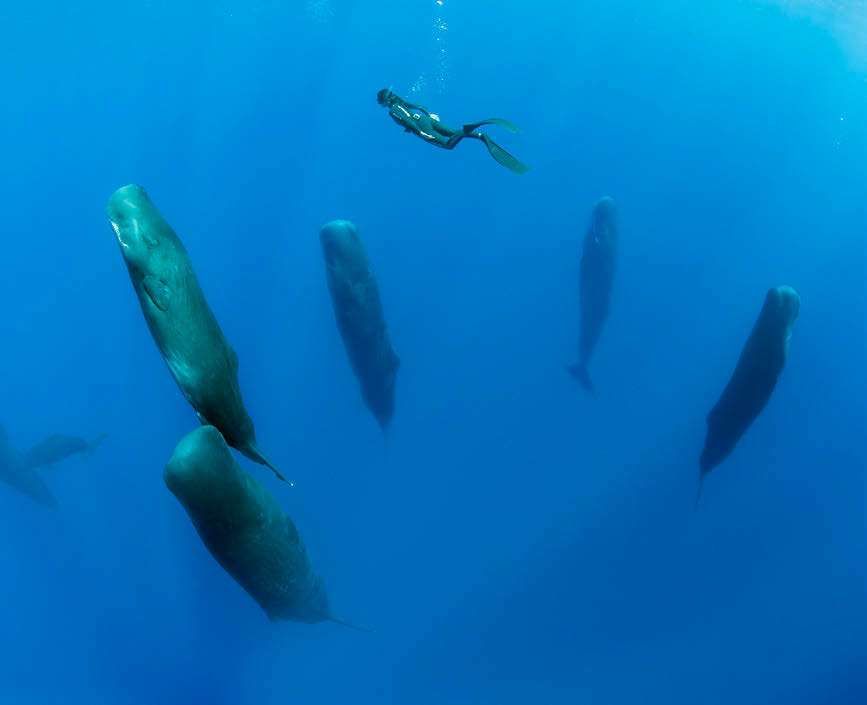
    “Because they are constantly watching their environment” , confirms Jerome Siegel, a neuroscientist at the University of California, US. The sleep of whales, shared by other marine mammals such as dolphins, is said to be “monogamous”: brain recordings have shown that one hemisphere of the brain is at rest, traversed by slow waves, while the other remains alert, with fast waves. The two parts of the whale’s brain alternate between resting and waking phases during each sleep period: it is enough to allow them to stay not far from the surface with the help of small tail beats, and thus breathing. In these animals, breathing is not reflex. “So the whales float to the surface of water when they are at rest, that they only have to open the vent to take a breath of air” Describe the specialist.

    Studies of cetaceans in captivity revealed that they slept in shifts of less than an hour, about ten times a day, vertically or horizontally depending on the species. “Noticeable Babies do not sleep at all during the first month of their lives, and neither do their mothers. Jerome Siegel points out. By continuing to move, the young are less vulnerable to predators and keep their body temperature stable, until they have enough insulating fat.

    According to Science & Vie No. 1252

    Share. Facebook Twitter Pinterest LinkedIn WhatsApp Reddit Tumblr Email
    Maria Gill

    "Subtly charming problem solver. Extreme tv enthusiast. Web scholar. Evil beer expert. Music nerd. Food junkie."

    Related Posts

    Rare Earth Metals: Essential Uses and the Global Supply Chain

    October 4, 2025

    200 meteorites found on Earth could be linked to Martian craters, allowing new insight into Mars’ history

    August 28, 2024

    Antibiotics that reduce the risk of stomach cancer

    August 26, 2024
    Facebook X (Twitter) Instagram Pinterest
    © 2025 ThemeSphere. Designed by ThemeSphere.

    Type above and press Enter to search. Press Esc to cancel.