Music therapy is sometimes used to relieve chronic pain. It is assumed that the work of music is mainly aimed at reducing people’s stress, which indirectly affects the feeling of pain. But does music have a more direct effect on the perception of pain? Yes, answer Wenjie Zhou, of the University of Science and Technology in China, and colleagues, at least in mice.
To better understand the effect of music on pain, the team exposed mice with sore paws to three types of sounds: a piece of classical music, a lower-rhythmic rearrangement of the same piece, and a white noise. To their surprise, they noticed a pain-relieving effect that did not depend on the type of noise. On the other hand, the effect appears at a certain sound intensity: it must be higher than the ambient noise of 5 dB. But from 10 dB, the effect no longer works! And in the optimal composition, the effect was long-lasting: two days minimum.
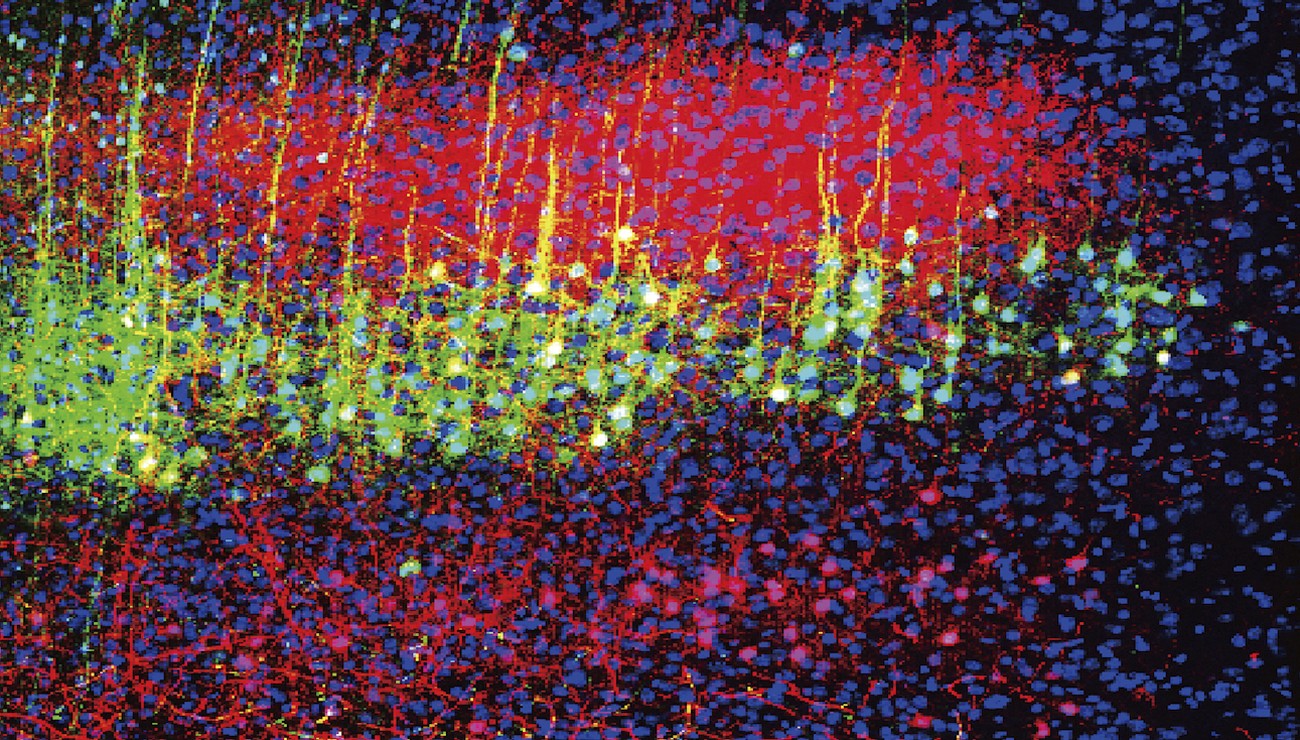
Surprise number two: the effect was not due to stress reduction. The mice’s anxiety levels remained the same. So there will be a direct act of music, and in general vocal, about the perception of pain. Wenjie Zhou and his colleagues then set out to identify the neural process involved. And so they discovered that a very specific relationship, between the primary auditory cortex and the thalamus, was involved. The primary auditory cortex is the place in the brain that receives auditory information first. It then sends the information to many other areas of the brain. It turned out that, according to this study, the sound-induced effect was mainly related to the relationship between the auditory cortex and the thalamus, the nucleus in the middle of the brain, which is a very important relay of all sensory information. Didier Boucissa, Director of Research at Inserm. In particular, there are areas of the hypothalamus that are specialized in receiving pain.
But what about humans? The first notable difference is that humans have an emotional attachment to music, which rodents do not, which may explain the effectiveness of music therapy on stress. In addition, “several studies in humans have also shown that music has a specific effect on the brain, particularly on areas involved in pain modulation,” Didier Bouchetra explains. However, a neural connection similar to the mouse connection between the auditory cortex and thalamus in humans that produces the same effects remains to be verified. “This means that there is a specific effect of music on pain, which has nothing to do with other relaxation techniques that primarily reduce stress,” concludes Didier Boumatier. One can master music therapy by playing melodies at an ideal sound intensity, equivalent to 5 dB in this study. So there is still a long way to go, but it represents hope for patients with chronic pain.