


An exceptional case of carbon by Richard Flament
When we talk about terrestrial invertebrates, we often think of insects, spiders, scorpions, or centipedes. Although some people are fond of them, terrestrial invertebrates are rarely among those we like, especially because of their atypical morphology and disturbing way of locomotion.
Fortunately, its size is not so important today, because 300 million years ago we had to face real monsters that we would not have known existed without fossils.
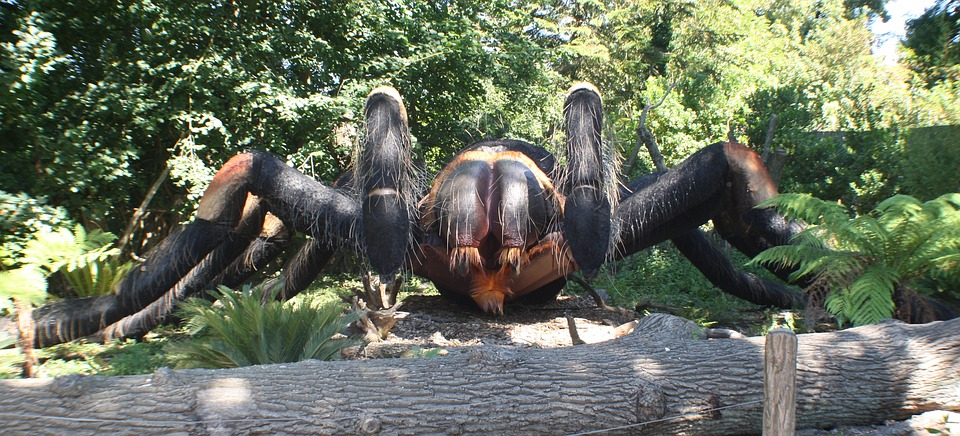
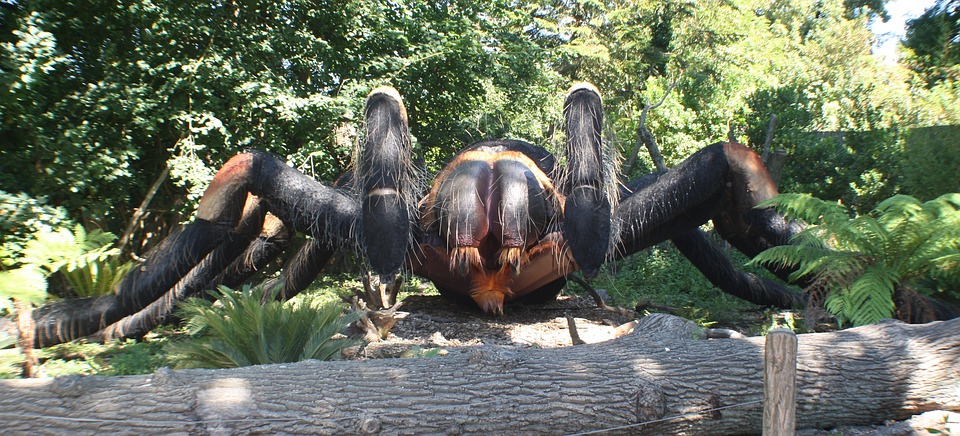
Over 300 million years ago, we are at Carboniferous. During this period, we had animals that were very slightly different from today … Forget about small spiders a few centimeters long, because in ancient forests you could have come across huge spiders more than one meter wide. Yes, the size of a large dog and they are all covered with a very tough exoskeleton. But that’s not all, you can also meet dragonflies with a wingspan of 30 centimeters or even giant centipedes with a length of more than two meters! Fortunately, they were herbivores. This was not the case with scorpions of the same period armed with colossal stings, paired with roughly one meter in size.
So why 300 million years ago there was a gigantism so visible in terrestrial invertebrates and not today? Everything is related to the concentration of oxygen in the atmosphere. In fact, the biology of invertebrates is highly dependent on the concentration of oxygen in the atmosphere. Today, we have about 21% oxygen in the air compared to 34% in carbonaceous. This abnormally high rate allowed the invertebrates to absorb more oxygen for their vital functions and thus build up a much larger size.
This oxygen level is of course exceptional. It is directly related to the percentage of vegetation cover on Earth. The more important, the more oxygen the plants release into the atmosphere. Conversely, the fewer plants there are, the higher the carbon level and the more we observe global warming. Exactly what is happening today. Let’s rest assured, with the current climate and global warming, we can at least tell ourselves that it will not be tomorrow that giant invertebrates will evolve on Earth again.
Richard Flament
PhD student in evolutionary biology at Qatar University
