

Close Menu
    Facebook X (Twitter) Instagram
    Trending
    • Hauser’s Marks 45 Years With Province-Wide Customer Celebration and Renewed Focus on Community Care
    • Young drivers face elevated collision risks after consuming edible cannabis, new CAA-funded study finds
    • Salvation Army Thrift Store Marks 40th Ontario Location with Peterborough Opening
    • Early Blast of Winter Prompts Safety Warnings from Ontario Road Authorities
    • HONOR Takes Home Two TIME Best Inventions 2025 Awards for Smartphone Breakthroughs
    • Toronto Set to Host Largest LEGO® Fan Event in Canadian History
    • Hank Azaria and Caitlin Morrison Champion Mental Health Through Music at Toronto’s Koerner Hall
    • Bricks in the Six to Build Canada’s Largest-Ever LEGO® Fan Event This November
    Facebook X (Twitter) Instagram YouTube
    Vaughan TodayVaughan Today
    • Home
    • Top News
    • World
    • Banking
    • Explore Canada
    • How to
    • Solutions
    • Contact Form
    Vaughan TodayVaughan Today
    Home»science»Town Hall relies on science to deal with the spread of Japanese algae
    science

    Town Hall relies on science to deal with the spread of Japanese algae

    Maria GillBy Maria GillJuly 20, 2021No Comments2 Mins Read
    Town Hall relies on science to deal with the spread of Japanese algae
    Share
    Facebook Twitter LinkedIn Pinterest Email

    These algae pose risks to marine biodiversity but will not be dangerous to swimmers, according to the municipality.

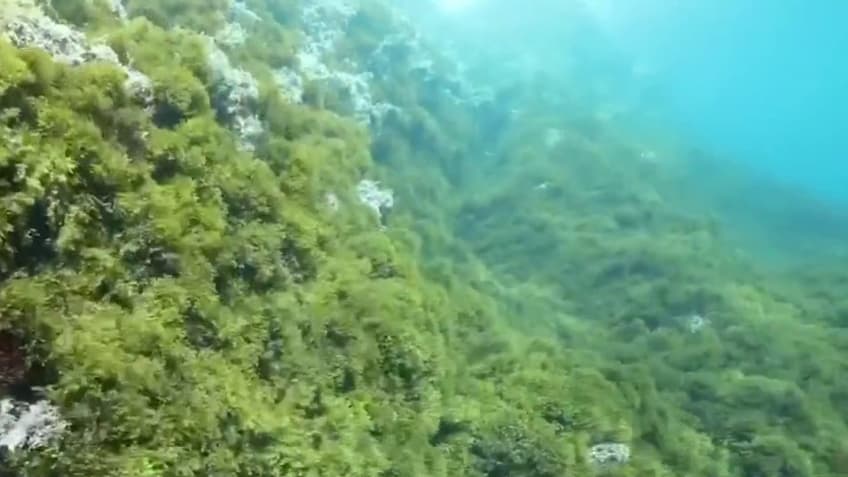
    Since it was identified three years ago, this algae has proliferated in the streams of Marseille. green color, Rogolopteryx Okamurai Visible on the surface and encircling the sea floor with the risk that it “replaces all other plants and becomes the only plant that can exist” explains Didier Reault, Head of the Calanque National Park at BFM Marseille.

    To combat the invasion of this algae, the municipality of Marseille relies on scientific research that will make it possible to better understand this species and is committed to Aix-Marseille University.

    “To work on its spread, it is necessary first and foremost to better understand this species, study its evolution, and assess its impact on local flora and fauna,” Aurélie Biancarelli-Lopes, deputy mayor of the municipality, wrote in a press release.

    Harmless to swimmers

    The City of Marseille is also asking for the support of other communities and in particular the City of Aix-Marseille-Provence Metropolis to “intensify the collection measures that have already been implemented” on the beaches.

    In fact, this phenomenon is not specific to Marseille and the algae could cover the entire Mediterranean coast from Montpellier to Nice within three years if no solution was found.

    If this algae had consequences for marine biodiversity, it would not be dangerous to swimmers and boaters, according to the Marseille Marine Fire Brigade ordered by the city council. The latter, however, maintains the ban on bathing in the ports so as not to “exacerbate the phenomenon associated in particular with marine pollution” justify the city council.

    Share. Facebook Twitter Pinterest LinkedIn WhatsApp Reddit Tumblr Email
    Maria Gill

    "Subtly charming problem solver. Extreme tv enthusiast. Web scholar. Evil beer expert. Music nerd. Food junkie."

    Related Posts

    Rare Earth Metals: Essential Uses and the Global Supply Chain

    October 4, 2025

    200 meteorites found on Earth could be linked to Martian craters, allowing new insight into Mars’ history

    August 28, 2024

    Antibiotics that reduce the risk of stomach cancer

    August 26, 2024
    Facebook X (Twitter) Instagram Pinterest
    © 2025 ThemeSphere. Designed by ThemeSphere.

    Type above and press Enter to search. Press Esc to cancel.