

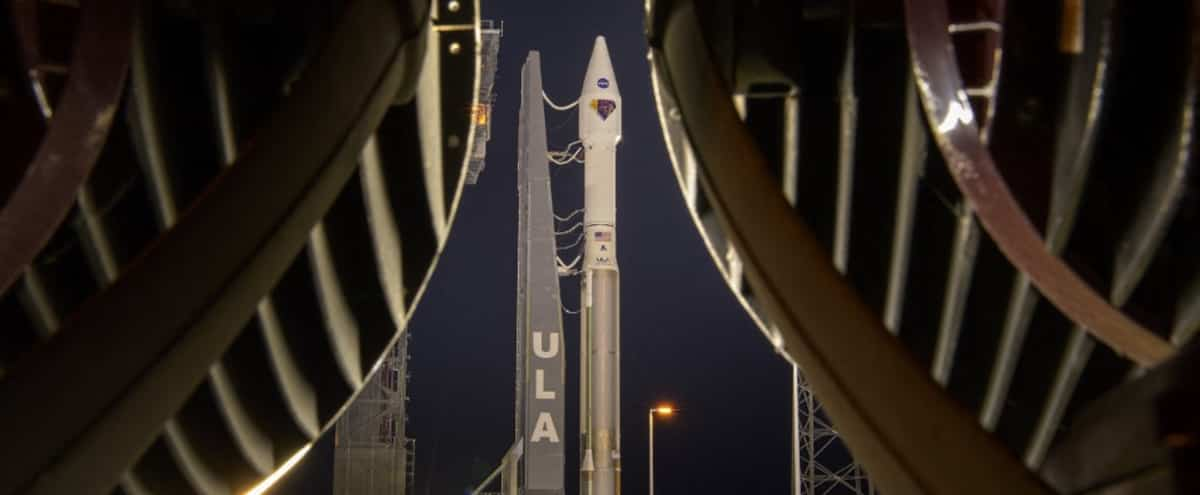
Lucy, NASA’s first mission to the Trojan asteroids, located in the orbit of Jupiter, took off Saturday morning from Florida, on a 12-year journey that should provide a better understanding of the formation of our solar system.
• Read also: Six months in space: China launches Shenzhou 13, its longest manned mission
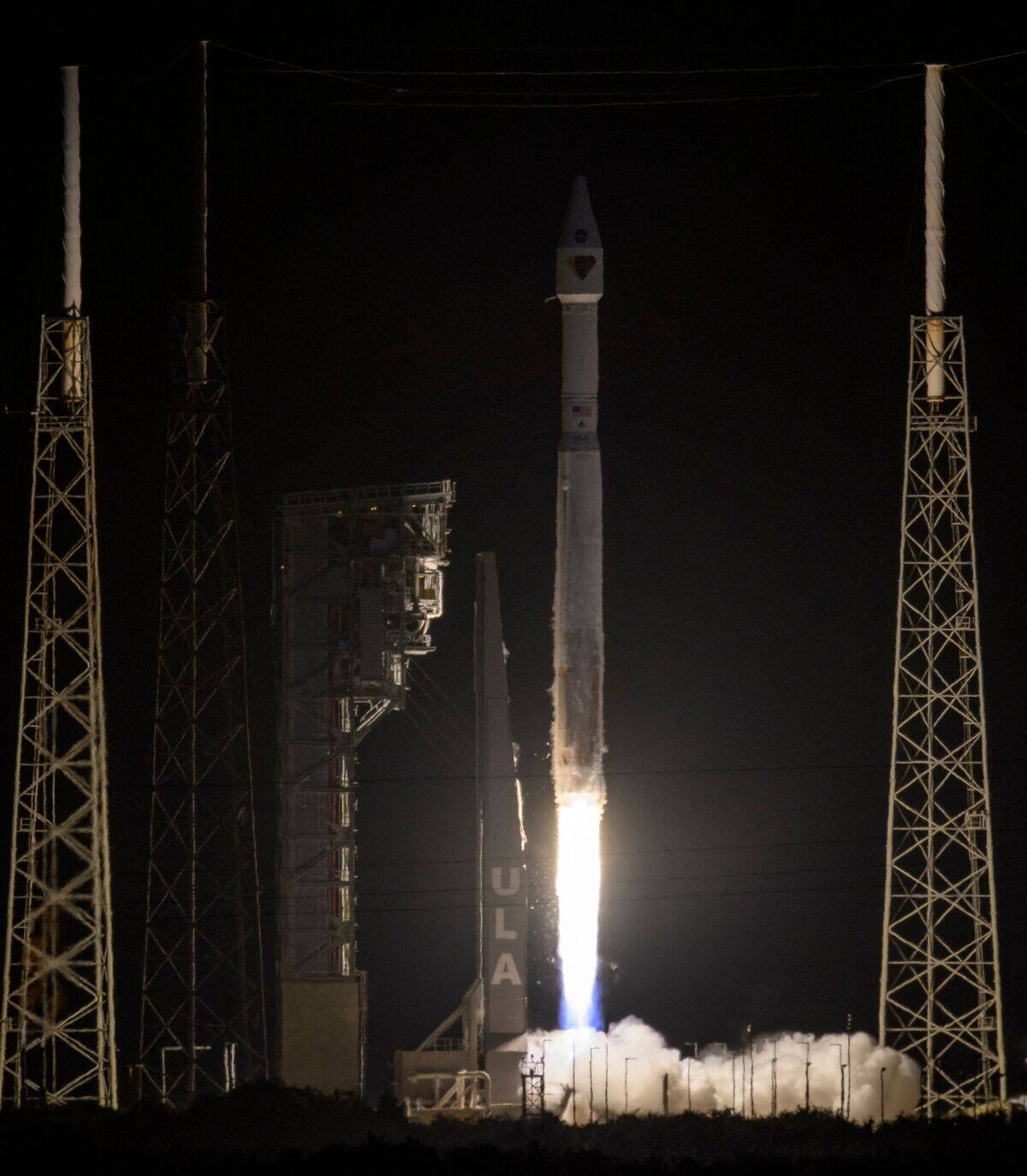
The spacecraft’s propulsion Atlas V rocket lifted off Saturday at 5:34 a.m. local time from Cape Canaveral.
The spacecraft will be the first solar-powered craft to venture further from the sun and spot more asteroids than any other spacecraft before it: eight in total.
Each of these asteroids should “present a piece of the history of our solar system, of our history,” declared, during a press conference, Thomas Zurbuchen, director of the science division of the US space agency.
The spacecraft will first fly by, around 2025, an asteroid in the main asteroid belt, located between Mars and Jupiter. Next, it will visit seven Trojan asteroids, including the last two in 2033.
The largest of them has a diameter of about 95 km.

The spacecraft will approach the selected objects at a distance of only 400 to 950 kilometers, depending on their size, and at a speed of approximately 24,000 km / h.
Trojan asteroids, of which about 7,000 are known, develop around the sun in two groups, one preceding Jupiter, and the other following.
“One of the amazing things about the Trojan asteroids is that they are very different from each other, especially their color: some are gray, some are red,” said Hal Levison, the lead researcher on the mission.
“We think their color indicates where they belong.”

Researchers want to study their geology, composition, exact density, mass, and volume.
Lucy will also make three over-Earth flybys to take advantage of her gravitational assist, becoming the first spacecraft to return to the planet’s circumference from the far reaches of the solar system.
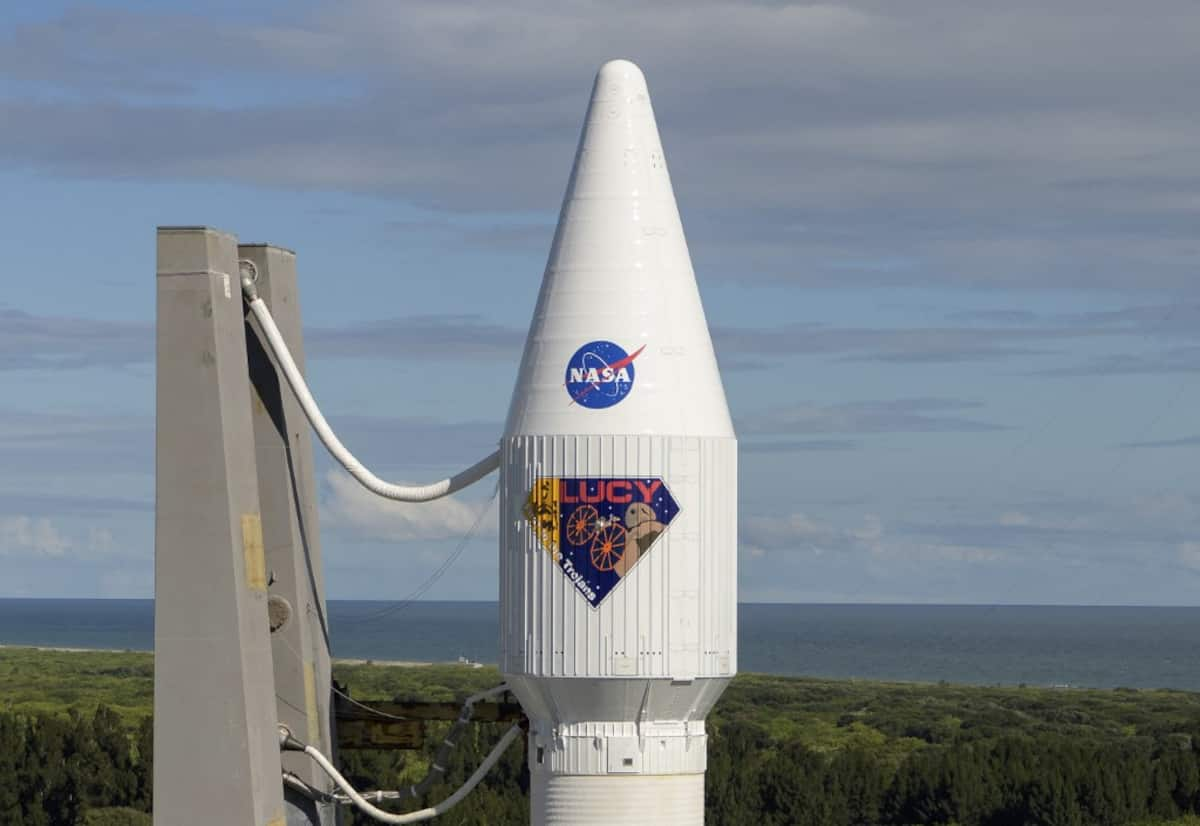
The expedition is named Lucy in reference to the Australopithecus fossil discovered in Ethiopia in 1974, which helped shed light on human evolution – NASA here would like to shed light on the evolution of the solar system.
The researchers who found this skeleton were at that time listening to the Beatles’ song “Lucy in the Sky with Diamonds”.
“We’re taking a diamond on board,” smiled Phil Christensen, who is in charge of the scientific instrument called L’TES, which contains the gem.
This instrument will measure infrared light, which will determine the surface temperature of the asteroids.
“By comparing these day and night measurements, we can determine if the surface was made of rock, or fine dust and sand,” he explained. In fact, rock cools less quickly than sand at night.
The total cost of the mission, including 12 years of operations, is $981 million.
see also

Evan McKenzie is a contributor at Vaughantoday.ca, covering a wide range of topics including local news, politics, business, technology, sports, entertainment, and lifestyle. He focuses on clear, balanced reporting that helps readers stay informed about current events and issues that matter to their communities. His work aims to provide useful information, timely updates, and relevant stories presented in an accessible and reader-friendly way.