


Posted at 11:00 a.m.


Q: What did you talk about?
Catherine Calvin: We wanted to talk about our collaboration on climate science and the data that NASA has.
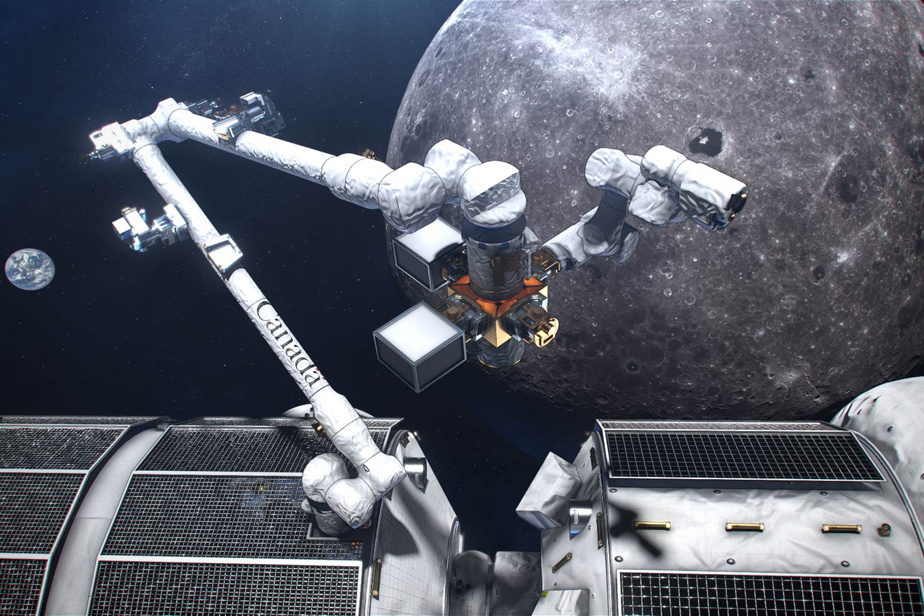
Sarah Gallagher: We have a lot of collaborative projects. We will receive a sample of the asteroid next year from a NASA mission. We contributed to the SWOT satellite [Topographie des eaux de surface et des océans]which will be launched next fall. We are working on Canadarm3 for Gateway’s lunar station.
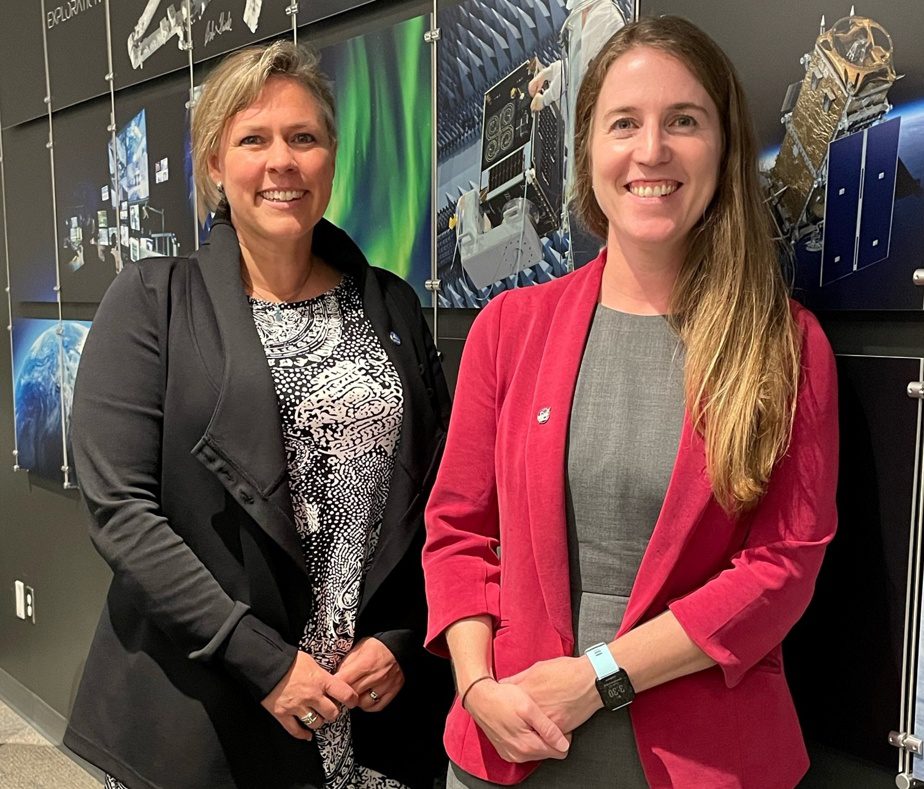
Image provided by the Canadian Space Agency
Sarah Gallagher and Catherine Calvin
What is the SWOT feature?
Kavkaz Center: It is a collaboration between NASA and France, with British and Canadian contributions. It will measure for the first time the amount of water in rivers and lakes, at the moment it is assessed using scales in the field. It is important for energy and agriculture. It will also measure the ocean’s absorption of heat and carbon.
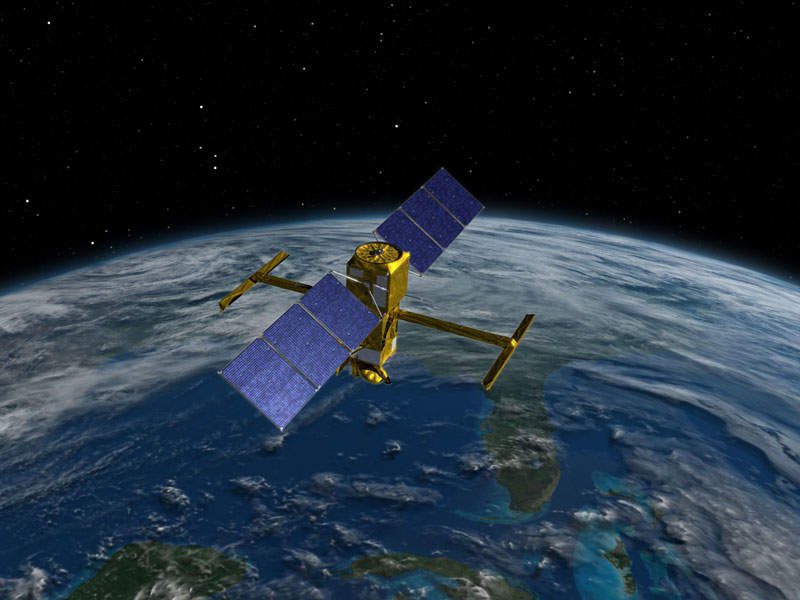
Image from the ASC website
Artist’s impression of the SWOT satellite
Where will the asteroid sample be stored?
SG: CSA laser instrument enabled probe Osiris Rex To sample the asteroid Benu in 2020. We will have a portion of this sample. We are in the process of deciding where to store it, possibly at our headquarters in Saint-Hubert.
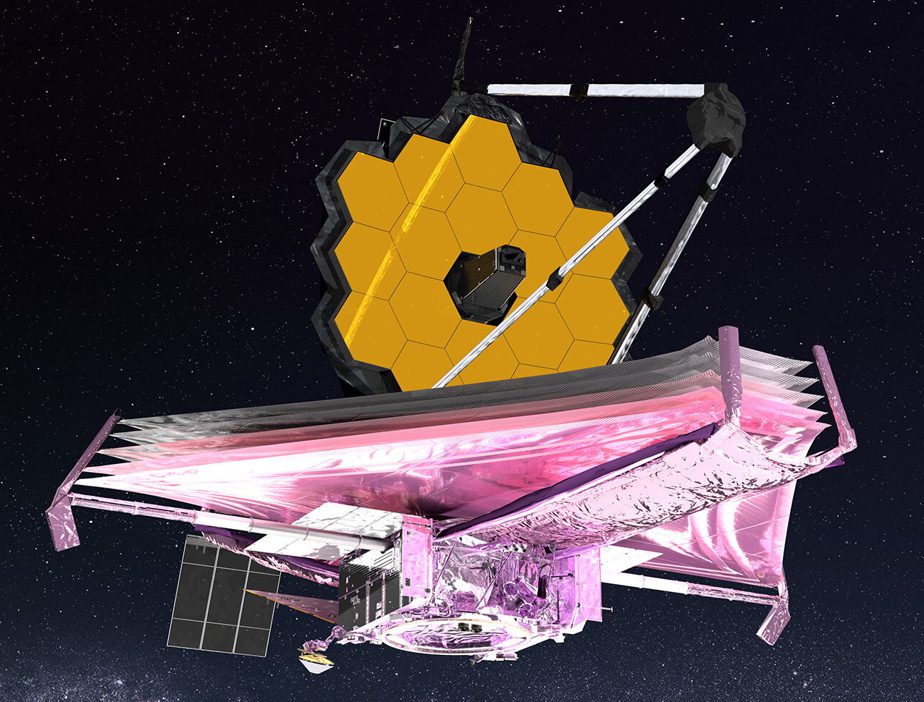
Image from NASA’s website
Artist’s impression of the James Webb Telescope
Another important Canadian-American collaboration is the space telescope James Webb.
Kavkaz Center: Although I am not an astrophysicist, I woke up early at Christmas to see the launch.
SG: The first scientific images will be released on July 12. Several of my colleagues have taken the next two weeks to work on it. So far, we’ve only had the technical pictures to make sure the tools are working properly. I expect the July 12 images will be varied in demonstrating the capabilities of the telescope.
Outside the field of astrophysics, what are the tangible benefits of space exploration?
SG: Our program to advance technology in space medicine, for example, is specifically aimed at keeping astronauts healthy aboard the Gateway station. In Earth orbit, an astronaut can be returned to Earth within a few hours. But on the moon, it takes several days. Telemedicine is very useful for remote areas of Canada.
Kavkaz Center: We are trying to grow crops on the International Space Station. There are already terrestrial applications of this program, such as LED lights for indoor cultivation and the technology of applying fertilizer near the roots for less use.
SG: We also have an indoor container farming program in Nunavut, the Norvik Project. Technicians from the area have been trained to handle it.
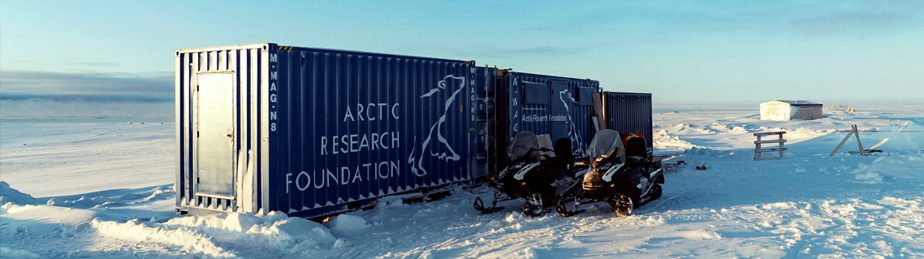
Image from the ASC website
Norvik Experience in Nunavut
What other missions are in the pipeline?
Kavkaz Center: The next satellite observation system will provide a three-dimensional picture of the atmosphere by the end of the decade.
SG: The CSA will provide three instruments for this system, two that will look at the edge of the atmosphere and one that will look down. They will capture all particles such as ice and aerosols. These are the biggest uncertainties about Earth’s warming and cooling.
Will you use the portal to build a rocket to Mars?
SG: We are studying the resources of the Moon. Water is so heavy, if you can carry it to the moon, you save on launch costs. It is also possible to use lunar materials to build structures. Lunar instrument experiments planned.
Do you think your appointments will have an impact on women’s access to scientific posts? Have you faced obstacles as a woman in your career?
SG: I am the first person to hold this position. The obstacles were hidden. For example, you are sometimes asked if you are a PhD student or an assistant. When I’m the only woman in a meeting, I feel a responsibility to be excellent.
Kavkaz Center: We also met with the chief Canadian scientist, Mona Nemer. In my case, there was already a woman in the position I held. At the beginning of my career, it often happened that I was the only woman in the meeting. It’s a good thing that’s not the case anymore.
Does a Canadian walk on the moon?
SG: It’s a reasonable expectation. We are Gateway Partners and our astronauts will go there.
Do you expect to see a manned mission to Mars before retirement?
Kavkaz Center: We will do more and more complex missions on the moon and from the moon.
SG: There are many difficult issues to be resolved, including the long-term impact of radiation on astronauts. I say: maybe.
read more
-
- 5%
- Percentage of Canadian institutions observing time on the James Webb Space Telescope in 24 years
Sources: NASA and the Canadian Space Agency
- US$9.6 billion
- Projected cost of the James Webb Space Telescope, including operating costs
Sources: NASA and the Canadian Space Agency
