


Posted at 7:00 am


astronomy
Another special Mars mission
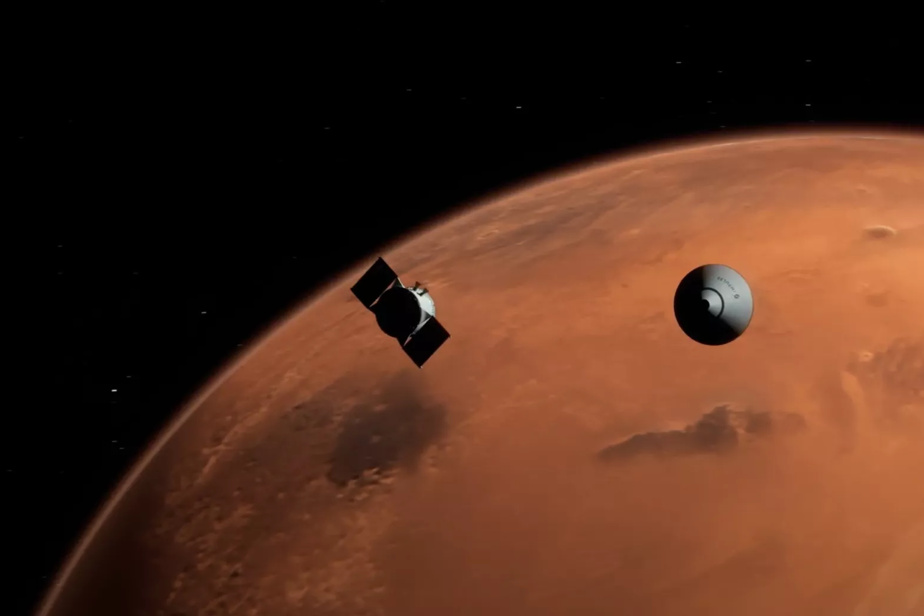
Two Californian companies want to beat SpaceX in its Mars ambitions. While Elon Musk’s company plans to land a probe on the Red Planet by 2030, Relativity Space and Impulse Space announced in mid-July that they would get there in 2025. The first would be a 3D-printed rocket, Terran R, which received US$1 billion in funding; The second is working on a lander and a lander on Mars. Relativity Space, founded in 2015, works with NASA and the US Air Force. SpaceX should conduct the first orbital test of its rocket to reach the Moon and Mars, the Starship, by next year.
the test
What is the secret of pollination discovered by French biologists?

Image provided by CRNS
Idotea Balthica
Pollination could have appeared in the sea rather than on land. Researchers from the National Center for Scientific Research discovered that crustaceans, Idotea Balthica It propagates the male reproductive cells of Breton red algae Gracilaria gracilis, which, until now, has been assumed to travel with the current. This is the first marine animal insemination ever observed. Since algae appeared long before plants pollinated by insects appeared on Earth, this means that the mechanism of pollination would have appeared millions of years ago, French biologists suggested in mid-July in Science. The first pollinating plants appeared on Earth between 65 and 100 million years ago.
the number
9000 years

WIKIMEDIA COMMONS
Milking a cow in Libyan rock carvings 6000 to 8000 years ago
This is the age when the common consumption of milk from domestic animals began in Europe, according to British paleontologists. However, the mutation that makes it possible to digest milk well did not spread to Europe until 6000 years later. Researchers at the University of Bristol came to this finding by combining analysis of pottery fragments and food remains from 554 archaeological sites with the genomes of 1,800 prehistoric and modern individuals. This means that the milk digestion gene did not spread in response to increased milk consumption, as previously thought, as paleontologists wrote in temper nature At the end of July.
Discovery
The first mosques

Photo from the Israel Antiquities Authority website
Seventh Mosque websitee Discover the century in the Negev desert
One of the first mosques built outside of Mecca was discovered in the Negev desert in Israel. Believed to date back to the conquest of Byzantine Palestine by the second Caliph, Umar, in 636, along with a similar rural mosque found nearby in 2019, these are the first mosques built by local communities – not warlords in newly conquered cities , such as Al-Aqsa Mosque in Jerusalem (637) and Amr Ibn Al-Aas in Cairo (641). Archaeologists at the Israel Antiquities Authority, who detailed their excavations in a press release, now want to determine whether they were converted locals or newcomers who occupied lands abandoned by Christians in nearby monasteries, dating back to the seventh century.e century and its abandonment in the seventhe century.
astronomy
Chinese parade against asteroids
-
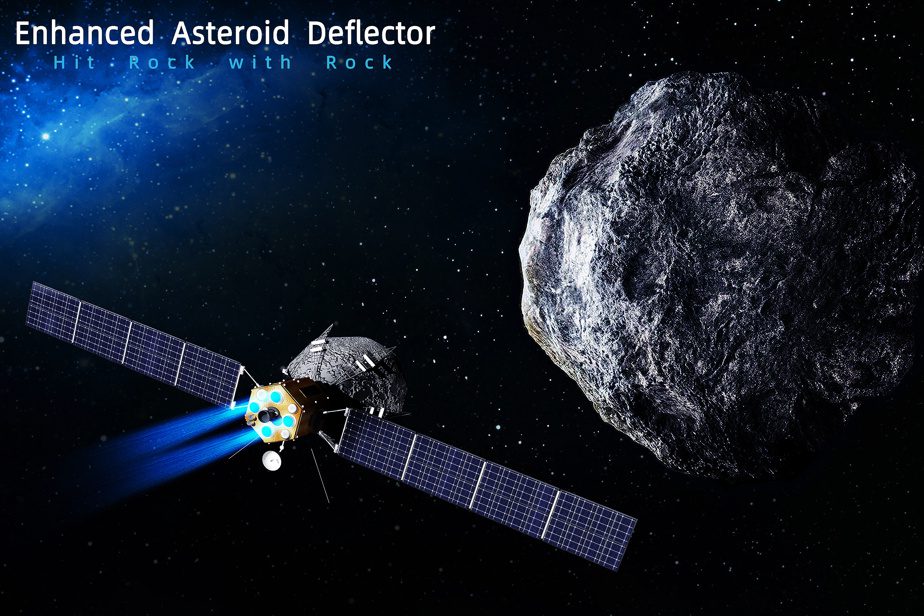
Photo from the website of the scientific journal ICARUS
Artist rendering of the Chinese asteroid impact project
-
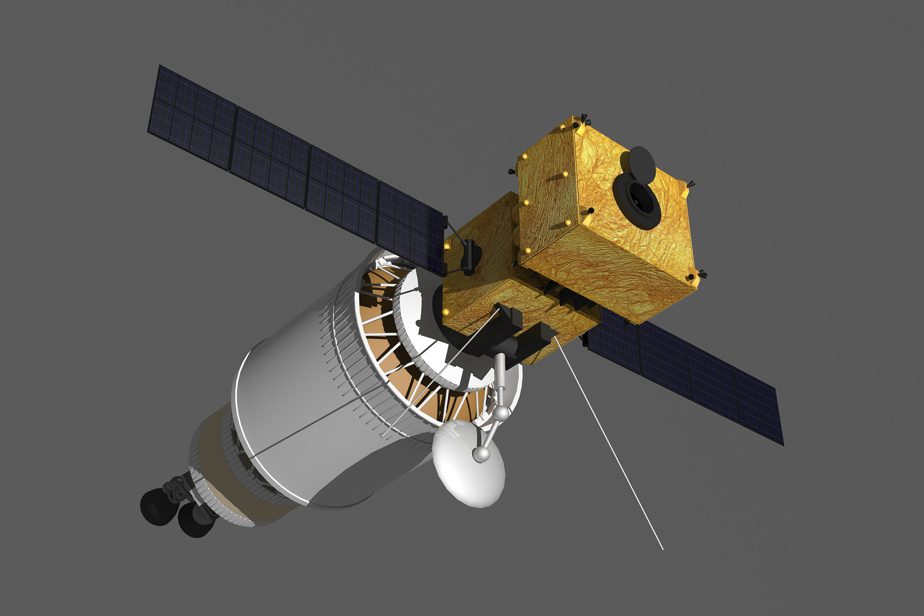
Photo from the website of the scientific journal ICARUS
Chinese asteroid impact project
1/ 2
The head of the Long March rocket program, Long Lihao, announced at a conference that China will launch an anti-asteroid mission in 2026. The target will be the asteroid 2020 PN1, whose course will be changed by the impact of the collision, according to Space News, which translated the video from the Chinese space language Mandarin. China held its first conference on asteroid defense last fall. Project Impactor, described earlier in the review IcarusIt was presented there. 2020 PN1 is between 10 and 50 meters in diameter, compared to the asteroid that struck 1,500 people in Siberia in 2013.
