

Close Menu
    Facebook X (Twitter) Instagram
    Trending
    • Hauser’s Marks 45 Years With Province-Wide Customer Celebration and Renewed Focus on Community Care
    • Young drivers face elevated collision risks after consuming edible cannabis, new CAA-funded study finds
    • Salvation Army Thrift Store Marks 40th Ontario Location with Peterborough Opening
    • Early Blast of Winter Prompts Safety Warnings from Ontario Road Authorities
    • HONOR Takes Home Two TIME Best Inventions 2025 Awards for Smartphone Breakthroughs
    • Toronto Set to Host Largest LEGO® Fan Event in Canadian History
    • Hank Azaria and Caitlin Morrison Champion Mental Health Through Music at Toronto’s Koerner Hall
    • Bricks in the Six to Build Canada’s Largest-Ever LEGO® Fan Event This November
    Facebook X (Twitter) Instagram YouTube
    Vaughan TodayVaughan Today
    • Home
    • Top News
    • World
    • Banking
    • Explore Canada
    • How to
    • Solutions
    • Contact Form
    Vaughan TodayVaughan Today
    Home»Tech»The 5 biggest space discoveries of 2021
    Tech

    The 5 biggest space discoveries of 2021

    Jillian CastilloBy Jillian CastilloJanuary 1, 2022No Comments3 Mins Read
    The 5 biggest space discoveries of 2021
    Share
    Facebook Twitter LinkedIn Pinterest Email

    2021 is a very special year for space agencies and astronomers of all kinds.

    Renewed interest, public and private investment, and technological maturity against the backdrop of extraterrestrial geopolitical conflict have been fertile ground for many discoveries.
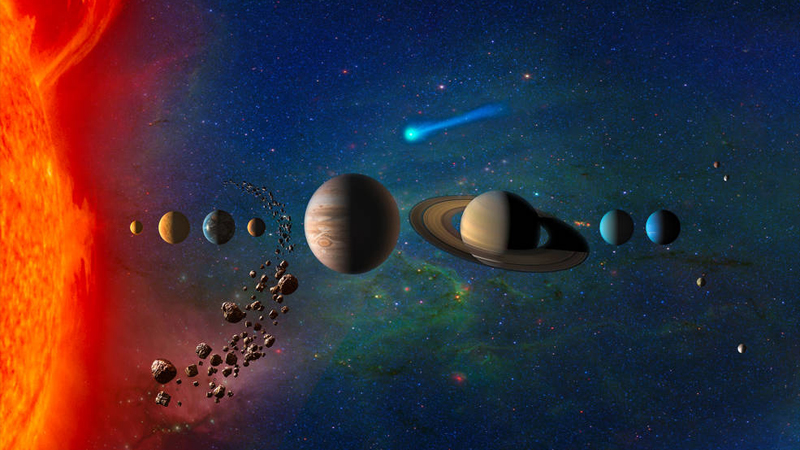
    Picture 1: The 5 biggest space discoveries of 2021
    Technical representation of the solar system – Credit: NASA

    To get 2022 off to a good start, we’ve picked 5 of the most important discoveries of 2021.

    1. An amateur astronomer discovers a new moon around Jupiter
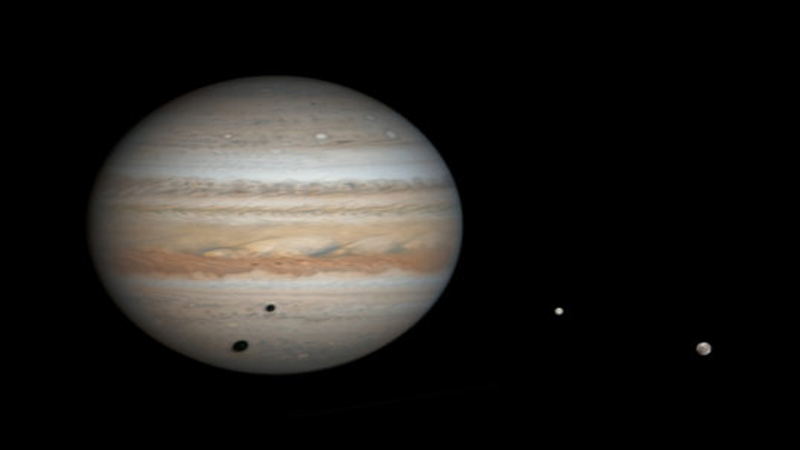
    Newly discovered moons around Jupiter are much farther and much smaller, and therefore more difficult to find than those in Europe - credits: NASA
    Newly discovered moons around Jupiter are much farther and much smaller, and therefore more difficult to find than those in Europe – credits: NASA

    Although this Jupiter satellite has not yet received an official classification, it will raise the number of Jupiter satellites to 80.”It is just a typical member of the Retrograde Carmelite group.This group includes 22 other small moons orbiting Jupiter in the opposite direction of its rotation with periods of about two years. These small waning Jovian moons promise to have many neighbors to discover. Scientists recently suggested that Jupiter could have about 600 satellites with a diameter of at least 800 meters.. The development of larger and more sensitive telescopes should make these new discoveries easier.

    2. Scientists have discovered the closest black hole to Earth

    Only 1500 light years from Earth It is the closest known black hole to Earth, and is now called a “rhinoceros”. This frighteningly small orb is Three times the mass of the sun. It’s amazing that The smallest black hole discovered is also the closest to Earth. «Since the system is very unique and very strange, as you know, it has definitely earned the nickname Unicorn.We are eager to learn more about this very recent discovery.

    3. The Parker Solar Probe has crossed the legendary coronal barrier
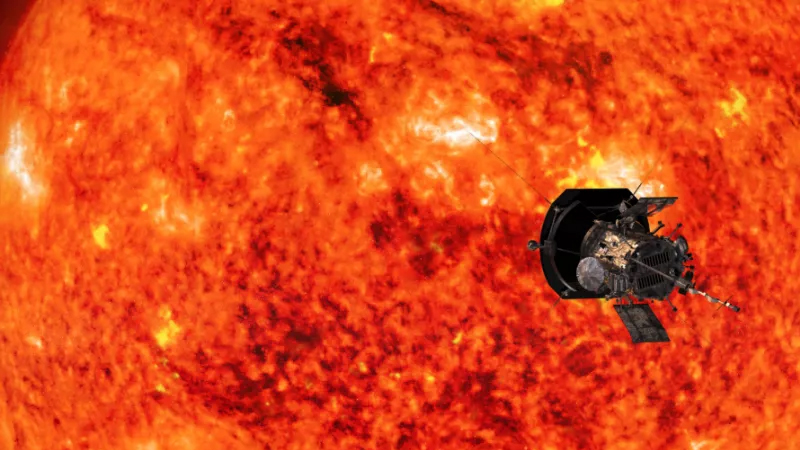
    Artist's representation of NASA's Parker Solar Probe - Credit: NASA
    Artist’s representation of NASA’s Parker Solar Probe – Credit: NASA

    The Parker Solar Probe has successfully touched the Sun for the first time. A huge stage that suggests new discoveries Exciting. This step allows us not only to advance our knowledge of the Sun, its evolution and influence on the Solar System, but also on all other stars of the universe.

    4. Perseverance begins with the study of the rocks of Mars
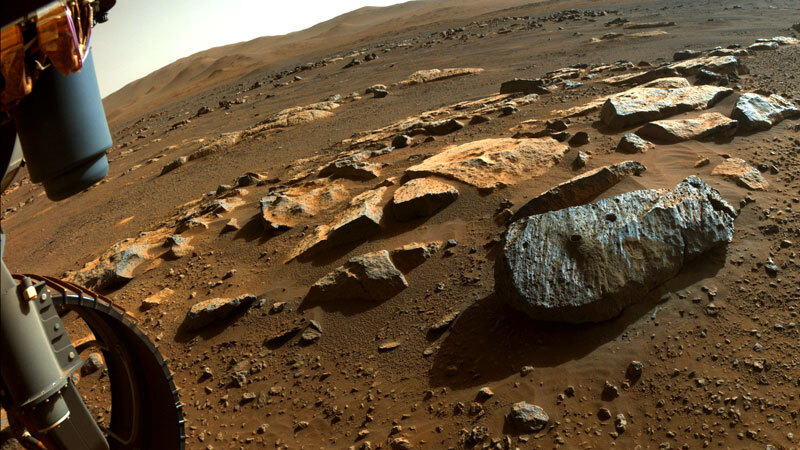
    Image taken by NASA's Perseverance spacecraft on September 7, 2021 shows two holes where the probe's drill got samples - Credit: NASA
    Image taken by NASA’s Perseverance rover on September 7, 2021 shows two holes where the probe’s drill got samples – Credits: NASA

    «Just as the Apollo Moon missions have demonstrated the enduring scientific value of returning samples from other worlds for analysis here on our planet, so will the persistent samples collected as part of the Mars Sample Return Program. Using the latest scientific equipment on earth, We expect amazing discoveries in a wide range of scientific fields, including exploring whether life exists on Mars.Thomas Zurbuchen, associate director of science at NASA Headquarters in Washington.

    5. Return to Venus by 2030
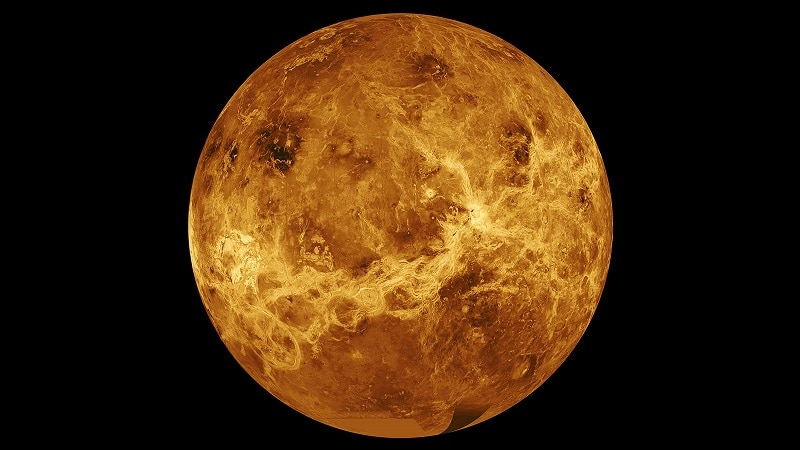
    Venus - Credits: NASA/JPL-Caltech
    Venus – Credits: NASA/JPL-Caltech

    At the beginning of June 2021, something unexpected happened within the space exploration agencies. In less than a week, three missions to Venus have been selected. NASA will send two missions to Venus by 2030 (VERITAS and DAVINCI+ sensors) and ÉSA is one of them too, the Orbital EnVision. This new momentum toward the blue planet is due to the possible discovery of phosphine, a potential bio-fingerprint, in the clouds of Venus.

    source : Void

    Share. Facebook Twitter Pinterest LinkedIn WhatsApp Reddit Tumblr Email
    Jillian Castillo

    "Proud thinker. Tv fanatic. Communicator. Evil student. Food junkie. Passionate coffee geek. Award-winning alcohol advocate."

    Related Posts

    MSI Unveils Black Friday Discounts on Flagship Laptops and Handhelds

    November 1, 2025

    Rare Earth Metals: Essential Uses and the Global Supply Chain

    October 4, 2025

    Bell error 2000: Troubleshoot and Solutions

    June 4, 2023
    Facebook X (Twitter) Instagram Pinterest
    © 2025 ThemeSphere. Designed by ThemeSphere.

    Type above and press Enter to search. Press Esc to cancel.