

Close Menu
    Facebook X (Twitter) Instagram
    Trending
    • Hauser’s Marks 45 Years With Province-Wide Customer Celebration and Renewed Focus on Community Care
    • Young drivers face elevated collision risks after consuming edible cannabis, new CAA-funded study finds
    • Salvation Army Thrift Store Marks 40th Ontario Location with Peterborough Opening
    • Early Blast of Winter Prompts Safety Warnings from Ontario Road Authorities
    • HONOR Takes Home Two TIME Best Inventions 2025 Awards for Smartphone Breakthroughs
    • Toronto Set to Host Largest LEGO® Fan Event in Canadian History
    • Hank Azaria and Caitlin Morrison Champion Mental Health Through Music at Toronto’s Koerner Hall
    • Bricks in the Six to Build Canada’s Largest-Ever LEGO® Fan Event This November
    Facebook X (Twitter) Instagram YouTube
    Vaughan TodayVaughan Today
    • Home
    • Top News
    • World
    • Banking
    • Explore Canada
    • How to
    • Solutions
    • Contact Form
    Vaughan TodayVaughan Today
    Home»science»The course combines science and indigenous knowledge at the University of Alberta
    science

    The course combines science and indigenous knowledge at the University of Alberta

    Maria GillBy Maria GillAugust 15, 2021No Comments2 Mins Read
    The course combines science and indigenous knowledge at the University of Alberta
    Share
    Facebook Twitter LinkedIn Pinterest Email

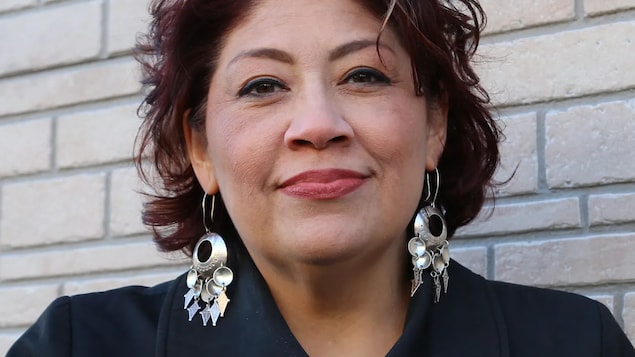
    The course is entitled Indigenous peoples and technological sciences It was created by Kim TallBear, Associate Professor in the School of Indigenous Studies at the University of Alberta.

    Ms. Talbert, who also holds the Canada Research Chair in Indigenous Peoples, Technology and Environmental Sciences, recognizes the perception that Western science and Aboriginal knowledge are two separate things.

    We also examine how mainstream science has excluded indigenous peoples or used our communities, lands, and cultures as targets for research without really considering whether the questions it asks or the methods it uses might be unethical., says Talbert.

    Students are also asked to question the difference between true inclusion, reconciliation, and decolonization. According to Ms. Talbert, these words are often used interchangeably without really understanding their meaning.

    According to her, the question goes beyond just noticing it We can’t all coexist .

    She explains that reconciliation requires education and a change in the perception and behavior of non-indigenous Canadians toward Aboriginal people.

    The course follows the enthusiastic reception he received Indigenous people in Canada, a free online history course offered by the university, saw enrollment rates soar after unmarked graves were discovered at former boarding schools.

    The professor says it was important to offer this course because indigenous communities often do not trust Western scientists and engineers.

    She cites the current debate over wildfires to illustrate how the unique practices of indigenous peoples were once overlooked. However, many scholars today, allies of the indigenous peoples, point out the flaws of this approach.

    The indigenous people have known how to manage these lands for thousands of years. We didn’t listen to it, all these fires were out of control.

    Quote from:Kim Talbert, Associate Professor in the School of Indigenous Studies at the University of Alberta

    She adds that in her field of human genetics research, indigenous peoples have been used as experimental subjects without their knowledge and consent.

    The course was introduced this winter and will be offered each semester at the University of Alberta.

    With information from Kashama Fida Mahatram

    Share. Facebook Twitter Pinterest LinkedIn WhatsApp Reddit Tumblr Email
    Maria Gill

    "Subtly charming problem solver. Extreme tv enthusiast. Web scholar. Evil beer expert. Music nerd. Food junkie."

    Related Posts

    Rare Earth Metals: Essential Uses and the Global Supply Chain

    October 4, 2025

    200 meteorites found on Earth could be linked to Martian craters, allowing new insight into Mars’ history

    August 28, 2024

    Antibiotics that reduce the risk of stomach cancer

    August 26, 2024
    Facebook X (Twitter) Instagram Pinterest
    © 2025 ThemeSphere. Designed by ThemeSphere.

    Type above and press Enter to search. Press Esc to cancel.