

Close Menu
    Facebook X (Twitter) Instagram
    Trending
    • Hauser’s Marks 45 Years With Province-Wide Customer Celebration and Renewed Focus on Community Care
    • Young drivers face elevated collision risks after consuming edible cannabis, new CAA-funded study finds
    • Salvation Army Thrift Store Marks 40th Ontario Location with Peterborough Opening
    • Early Blast of Winter Prompts Safety Warnings from Ontario Road Authorities
    • HONOR Takes Home Two TIME Best Inventions 2025 Awards for Smartphone Breakthroughs
    • Toronto Set to Host Largest LEGO® Fan Event in Canadian History
    • Hank Azaria and Caitlin Morrison Champion Mental Health Through Music at Toronto’s Koerner Hall
    • Bricks in the Six to Build Canada’s Largest-Ever LEGO® Fan Event This November
    Facebook X (Twitter) Instagram YouTube
    Vaughan TodayVaughan Today
    • Home
    • Top News
    • World
    • Banking
    • Explore Canada
    • How to
    • Solutions
    • Contact Form
    Vaughan TodayVaughan Today
    Home»science»Vitamin D enhances the immune response of mice against cancer
    science

    Vitamin D enhances the immune response of mice against cancer

    Maria GillBy Maria GillApril 30, 2024No Comments2 Mins Read
    Vitamin D enhances the immune response of mice against cancer
    Share
    Facebook Twitter LinkedIn Pinterest Email

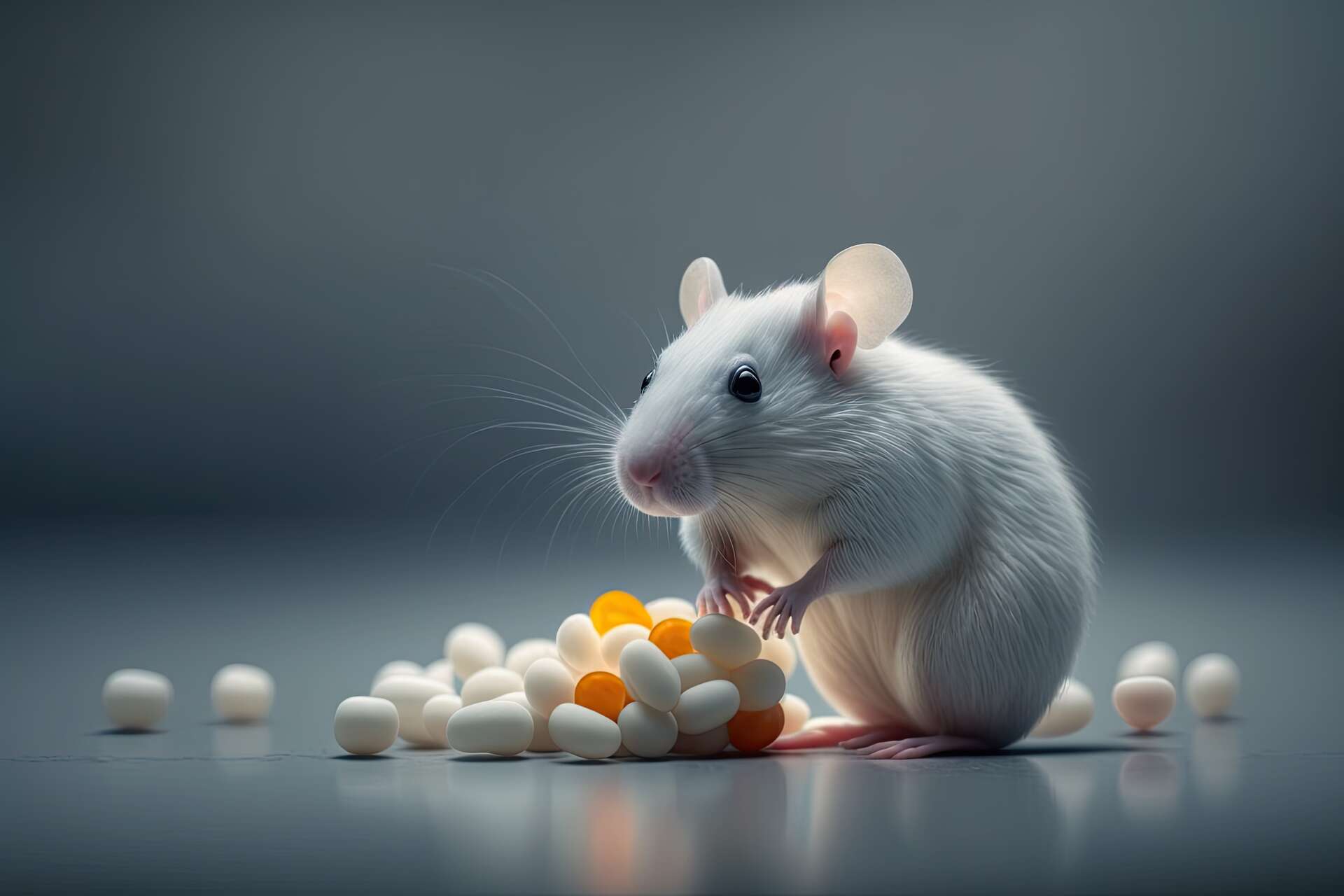
    Researchers demonstrate the relationship between vitamin D and cancer resistance through the gut microbiota. The results in mice could be transferred to humans if confirmed by additional research.

    A diet rich in vitamin D affects the composition of the gut microbiota in mice, according to a new study published in the journal science. More precisely, this vitamin – it is synthesized by the skin during exposure to it sunsun Or obtained through food – acts on the epithelial cells of the intestine, promoting the growth of bacteria called Bacteroides fragilis. Researchers write that this microbemicrobe Allow finally Mice to better resist tumor growth (tumors transplanted in animals grow less) and to respond more effectively to anti-cancer immunotherapy. The results therefore present vitamin D as a potential determinantimmunityimmunity Against cancer and the success of immunotherapy, but researchers do not yet know how to do this.

    The effect of microorganisms on the human immune system

    Previous studies suggest a link between vitamin D levels and cancer risk in humans, but without conclusive evidence. despite of Bacteroides fragilis It is also found in the human microbiota, and more research is needed to understand whether vitamin D also contributes some of it resistanceresistance Immunity against cancer in humans.

    ” The main question we are currently trying to answer is how vitamin D promotes “good” microorganisms.Evangelos Giambazoulias, first author of the study and head of the Cancer Immune Surveillance Group, said Cancer Research UK Manchester. If we can answer this question, we may discover new ways in which microorganisms influence the immune system, which could offer exciting possibilities. protectionprotection Or cancer treatment. »

    Share. Facebook Twitter Pinterest LinkedIn WhatsApp Reddit Tumblr Email
    Maria Gill

    "Subtly charming problem solver. Extreme tv enthusiast. Web scholar. Evil beer expert. Music nerd. Food junkie."

    Related Posts

    Rare Earth Metals: Essential Uses and the Global Supply Chain

    October 4, 2025

    200 meteorites found on Earth could be linked to Martian craters, allowing new insight into Mars’ history

    August 28, 2024

    Antibiotics that reduce the risk of stomach cancer

    August 26, 2024
    Facebook X (Twitter) Instagram Pinterest
    © 2025 ThemeSphere. Designed by ThemeSphere.

    Type above and press Enter to search. Press Esc to cancel.