

Close Menu
    Facebook X (Twitter) Instagram
    Trending
    • Hauser’s Marks 45 Years With Province-Wide Customer Celebration and Renewed Focus on Community Care
    • Young drivers face elevated collision risks after consuming edible cannabis, new CAA-funded study finds
    • Salvation Army Thrift Store Marks 40th Ontario Location with Peterborough Opening
    • Early Blast of Winter Prompts Safety Warnings from Ontario Road Authorities
    • HONOR Takes Home Two TIME Best Inventions 2025 Awards for Smartphone Breakthroughs
    • Toronto Set to Host Largest LEGO® Fan Event in Canadian History
    • Hank Azaria and Caitlin Morrison Champion Mental Health Through Music at Toronto’s Koerner Hall
    • Bricks in the Six to Build Canada’s Largest-Ever LEGO® Fan Event This November
    Facebook X (Twitter) Instagram YouTube
    Vaughan TodayVaughan Today
    • Home
    • Top News
    • World
    • Banking
    • Explore Canada
    • How to
    • Solutions
    • Contact Form
    Vaughan TodayVaughan Today
    Home»Tech»14% of coral reefs have disappeared in 10 years
    Tech

    14% of coral reefs have disappeared in 10 years

    Jillian CastilloBy Jillian CastilloOctober 8, 2021No Comments1 Min Read
    14% of coral reefs have disappeared in 10 years
    Share
    Facebook Twitter LinkedIn Pinterest Email

    In the sixth State of the World Coral Reefs Report 2020, experts from the Global Coral Reef Monitoring Network, funded by the United Nations Environment Program (UNEP), collected data from more than 300 scientists from 73 countries, over a 40-year period, including two million Individual note.

    The study found that a significant decrease in coral cover, almost always, corresponds to rapid increases in sea surface temperature, indicating its weakness at peak temperatures, and that this phenomenon is likely to increase as the planet warms.

    Priceless ecosystems

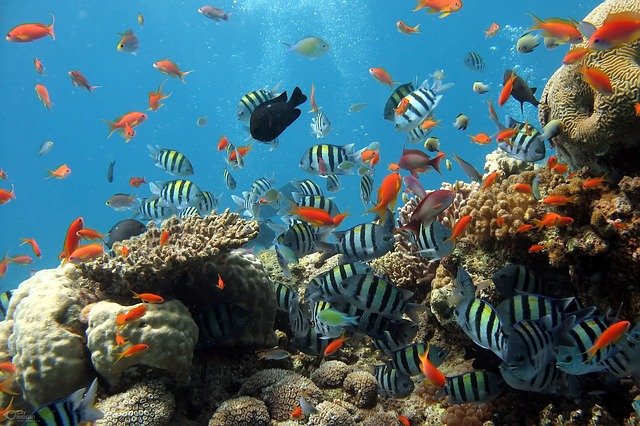
    According to the report, the vibrant underwater coral cities are home to up to 800 different species of hard corals, and are home to more than 25% of all marine life.

    Soft corals bend and sway between the rugged mountains of hard corals, providing additional habitat for fish, snails, and other sea creatures.

    Coral reefs are home to the greatest biodiversity of any ecosystem in the world, making them one of the most complex and biologically valuable on the planet.

    Share. Facebook Twitter Pinterest LinkedIn WhatsApp Reddit Tumblr Email
    Jillian Castillo

    "Proud thinker. Tv fanatic. Communicator. Evil student. Food junkie. Passionate coffee geek. Award-winning alcohol advocate."

    Related Posts

    MSI Unveils Black Friday Discounts on Flagship Laptops and Handhelds

    November 1, 2025

    Rare Earth Metals: Essential Uses and the Global Supply Chain

    October 4, 2025

    Bell error 2000: Troubleshoot and Solutions

    June 4, 2023
    Facebook X (Twitter) Instagram Pinterest
    © 2025 ThemeSphere. Designed by ThemeSphere.

    Type above and press Enter to search. Press Esc to cancel.